May 29, 2014
Today's hearing will examine the status of the Department of Energy's loan programs...
The Public Record
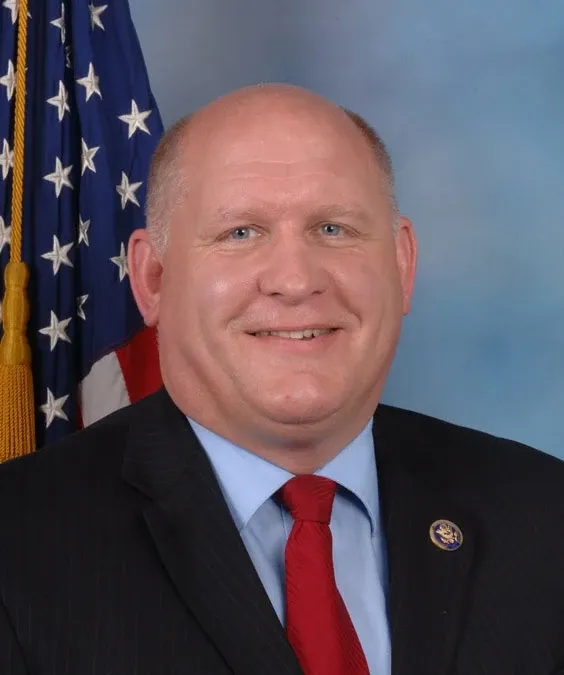
Tim Murphy is a former Republican member of the U.S. House of Representatives, representing Pennsylvania's 18th congressional district from 2003 until 2017. During his time in Congress, Murphy focused on issues such as healthcare, mental health reform, and energy policy. He was known for his work on the Helping Families in Mental Health Crisis Act, which aimed to improve mental health services and support for families affected by mental illness. Murphy also served on various committees, including the Energy and Commerce Committee, where he contributed to legislation on health care and energy issues.
Today's hearing will examine the status of the Department of Energy's loan programs...
When Secretary Sebelius testified... she stated that could not provide any data because the administration did not 'have any reliable data around enrollment.'
The administration spent over half a billion dollars on a Web site that they had been warned for months would not be ready and would not work.
This administration has had a long history trying to get straight answers from this Administration on the status of the Affordable Care Act.
She stated that she could not provide any data because the administration did not 'have any reliable data around enrollment.'
The administration ignored us. Why? It wasn't because the data didn't exist; it was because the news wasn't good.
This subcommittee has a long history of trying to get straight answers from the administration on the status of the Affordable Care Act.
The administration spent over $.5 billion on a Web site that they had been warned for several months would not be ready and would not work.
Here's the awful truth about this public health crisis: prescription painkillers are involved in more overdose deaths than cocaine and heroin combined.
Opiate addiction surrounds us--from cities, rural towns, and affluent suburbs--and it breaks our heart to see so many families torn apart by abuse of drugs that are both legal and illegal.
We have elevated this to the level of Congressional discussion instead of keeping it in the dark shadows.
We want professionals involved who are looking out for the best interest of the patients all the way through.
We want to provide a mechanism by which people are not just waiting for that 'someone is about to die' standard.
This bill does not cut 85 percent of federal funding for the programs. It does not.
Haven't we done enough with treating people with mental illness as legal cases? We have closed our hospitals and filled our prisons.
There is parity for people who have private insurance in the Affordable Care Act. There is not parity with Medicaid.
I want to make sure we have got programs that work, and the ones that work, expand them, and if they don't, eliminate them.
If there is a point in that bill where you feel that is, will you make sure you let me know? Because I want to fix that.
I really have no hope that some of the things that have created barriers to treatment would be addressed until Congressman Murphy introduced the Helping Families in Mental Health Crisis Act.
Politicians like Tim Murphy