Jul 20, 2009
Their testimony was quite clear that it was their opinion that the failure of any one of them, and particularly Chrysler, would cause systemic risk if they were allowed to fail.
The Public Record
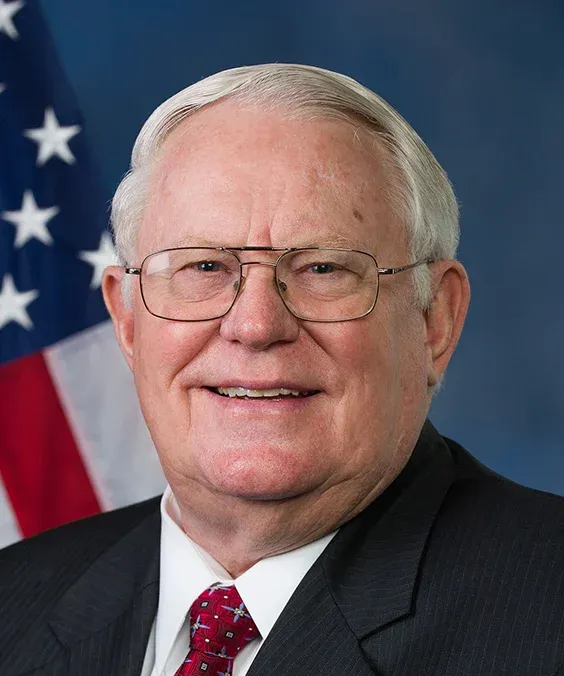
American politician (born 1937)
★ Featured Quote
February 22, 2010
As most Members of this Chamber know, we recently lost a dear friend and colleague. Congressman Jack Murtha passed away on February 8 after complications from gallbladder surgery.…
— Paul E. Kanjorski
Their testimony was quite clear that it was their opinion that the failure of any one of them, and particularly Chrysler, would cause systemic risk if they were allowed to fail.
The pain that the majority of my constituents and probably so many constituents around the country--they are not going to trust any of us.
Part of the question I have is something I hear from many of my constituents, particularly after the most recent financial crisis in the country; they ask the question why, after mistakes are made by people in various positions of…
I believe, in addition to empowering regulators with new and improved authority to watch over our Nation's financial health, we should also empower the owners of these companies to have more control and to align management interest with…
But I am curious, should we not now take the opportunity to reform some of the structure of government, particularly by merging the CFTC and the SEC?
I sympathize with the constituents of my friend from New York, Mr. Ackerman. When you hear some of the stories from the testimony of the Inspector General, that if only somebody turned around when they were examining the Madoff operation…
I have never seen anything in the world more devious or backdoor to come in to Federal regulation than doing it this way, and with the least amount of real direct effect.
I don't think it's a mystery to anyone in the country that Delaware is a home place for corporations to incorporate.
The Republican plan that was put forward last week addresses various policies that put the taxpayer at risk, but has no bail-out in the future.
If this body is to create new regulations in the OTC markets to decrease the possibility of systemic risk and increase transparency, Congress must ensure robust competition and protect the ability of American businesses to use these…
If Congress missteps, we run the risk of driving this market overseas and limiting the ability of companies to manage risks associated with their business practices.
We are setting ourselves up to fail. We are not going to regulate this, I get the sense of it right now.
Clearly, Congress must prevent future activities from endangering our financial system, similar to what we witnessed with AIG, Bear Stearns, and Lehman Brothers last year.
In the end, however, regulation must not be a one-size-fits-all system. Such a system stifles innovation, raises prices for consumers, punishes entrepreneurs, and destroys jobs.
In short, the time for common-sense regulation of this vast industry has arrived.
The ongoing financial crisis has made it apparent to nearly everyone that we must move the over-the-counter derivatives market from one that takes place under the table to one that happens out in the open.
If we are serious about promoting economic stimulus and recovery, then we must address the credit crisis that is paralyzing our state and local governments' capital programs.
No. No. The repeal of Glass-Steagall had absolutely nothing to do with the debacle...
If we are going to let entities get so big with so many counterparties, then we have to have a regulator.
I would argue no. But they also should not have been thrust into the center of the bond markets...
It is when securitized mortgaging left government-regulated entities, went to Wall Street, and Wall Street discovered a way to sell crap for a AAA rating.
Ultimately, we need to see this conservatorship have a time certain to end, and transition these Enterprises back to the private market.
Politicians like Paul E. Kanjorski