Feb 26, 2013
CMS estimates that out of that $555 billion, $44 billion--nearly 8 percent--were improper payments.
The Public Record
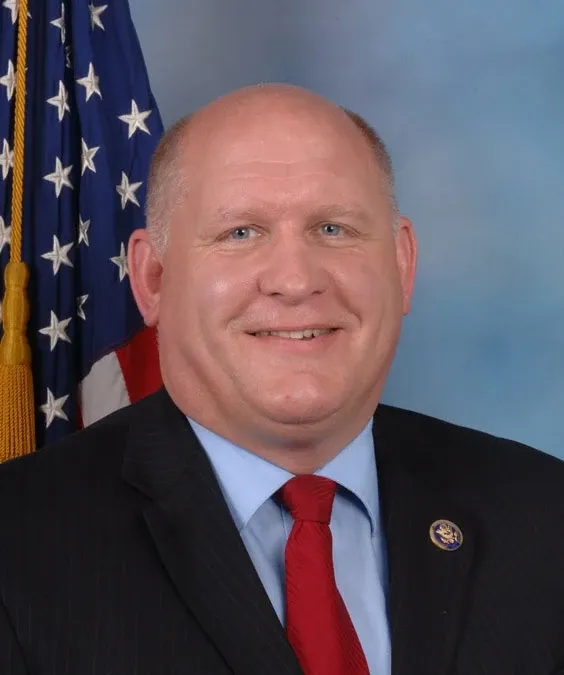
Joseph R. Pitts is a former Republican member of the U.S. House of Representatives, serving Pennsylvania's 16th congressional district from 1997 to 2017. During his tenure, Pitts was known for his focus on healthcare, energy, and family issues, often advocating for conservative policies. He played a significant role in various legislative efforts, including those related to the Affordable Care Act and energy independence. Pitts was also involved with the Pennsylvania Family Institute, reflecting his commitment to family values and social issues.
CMS estimates that out of that $555 billion, $44 billion--nearly 8 percent--were improper payments.
According to data from the Centers for Medicare and Medicaid Services, in 2011, Medicare spending accounted for 21 percent of total national health expenditures.
We obviously failed in both those respects when it comes to the ACA and as of February 15th of this year when CMS announced it would suspend enrollment in PCIP.
Mr. Miller, there are a number of new payment reform models being developed, and as policymakers, we obviously can't incorporate all current possible future models into one piece of legislation.
Congress has acted to override these statutory cuts on at least 15 occasions, and the cost of these overrides has been staggering.
However, within a short time, it became apparent that this policy was flawed.
The Sustainable Growth Rate, or SGR payment system, originated with the Balanced Budget Act of 1997.
The most recent 1-year extension override comes at a price of $25.2 billion.
As policymakers, we obviously can't incorporate all current possible future models into one piece of legislation.
The greatest threat to health care access over the next decade is concentrated in primary care services.
I very strongly believe that physicians deserve to be fairly and appropriately compensated for the important work they do.
The SGR is unsustainable, unreliable and unfair, so the question remains, how do we fix it.
The newer members of the committee on both sides of the aisle have a lot to offer with regard to the SGR
I am pleased to yield 2 minutes to the gentleman from Mississippi (Mr. Harper).
At this time, I yield such time as he may consume to the chairman of the full committee, the gentleman from Michigan (Mr. Upton).
I urge Members to support this legislation. It has tremendous bipartisan support, and, with that, I yield back the balance of my time.
I have no other speakers. I urge my colleagues to support this legislation. It has strong bipartisan support. I yield back the balance of my time.
I am pleased to yield 5 minutes to the gentleman from Michigan (Mr. Rogers), the prime sponsor of this legislation.
I have no further speakers. I urge support for this bipartisan legislation. I yield back the balance of my time.
And, generally speaking, our biggest problems are with the dual eligibles between the age of 20 and 40.
There would be insufficient funds to pay for all Part A reimbursements to providers.
There are no provisions in the Social Security Act that govern what would happen if insolvency were to occur.
As long as the Medicare trust fund has a balance, the Treasury Department is authorized to make payments on behalf of seniors.
Politicians like Joe Pitts