Feb 5, 2020
It is closure for the family, but it is also fulfilling that promise that we made to leave no soldier behind.
The Public Record
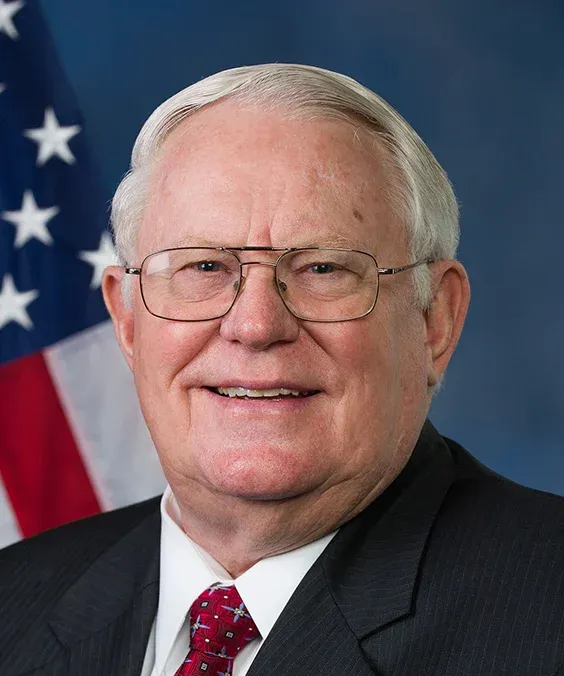
Glenn William Thompson is an American politician serving as the U.S. Representative for Pennsylvania's 15th congressional district since 2009. A member of the Republican Party, Thompson has focused on issues such as agriculture, healthcare, and veterans' affairs during his time in office. He has been involved in various legislative efforts aimed at supporting rural communities and promoting economic growth in Pennsylvania. Thompson has also served on several committees, contributing to discussions on national policy and local concerns.
It is closure for the family, but it is also fulfilling that promise that we made to leave no soldier behind.
Good morning, Chairman Visclosky, Ranking Member Calvert, and all the members of the subcommittee.
We have not had those sorts of standards and norms of behavior or rules of engagement in space.
If I am operating in the domain, somebody can threaten my ability to perform.
For many years, because space was not a warfighting, we focused on engineering excellence.
I will be the first to tell you that our legal immigration system is broken, it needs to be fixed.
I think that's incredibly important and it's important enough that we get it right.
We should do that, we should do that at our best and if we are misusing the program, we don't have program integrity.
Free for all despite not being eligible takes food from truly needy families and I would argue hungry children and that is just wrong.
We work really hard on this Committee to make sure we are doing the right things by American farm families.
Please extend my appreciation to all the hardworking folks in USDA that are under your responsibility.
It is unconscionable to me that people would be advocating for the erosion of the safety net at a time when producers are looking for any lifeline available to keep their family farms in business.
I recognize the challenges facing this Committee and appreciate your ongoing support for our servicemembers, both active and retired.
I have always taken pride in working to ensure that our nations veterans receive the help, protection, and care that they need when they return home.
These brave Americans put their lives on the line regularly in the defense of a higher cause, so we have a responsibility to support them in the strongest and most responsible way possible.
63 percent of Americans support our leadership expanding pathways to greater opportunity through CTE, the better way. I want everyone who is willing to work in this country to succeed, but this legislation is not the answer. I encourage my…
Teachers are the most underrated yet powerful professionals in the entire world, is what I believe.
That is why I was proud to introduce H.R. 3108, the Teachers Are Leaders Act.
Our children are this country's most valuable asset, and, unfortunately, they are also the most vulnerable in our society.
Farmers don't want a handout. They just want a fair shot at managing what is truly probably one of the most risk-filled industries.
Thanks to the staff on both sides of the aisle that work so hard to help us to be able to do this.
The recent illegal retaliatory tariffs have shown that our producers cannot compete directly against foreign governments.
Politicians like Glenn Thompson