Nov 15, 2021
I am committed to balancing the needs of the Commonwealth's families, communities, and producers who rely on natural gas-fired, coal-fired, and nuclear power generation with the needs of the innovators in the renewable economy.
The Public Record
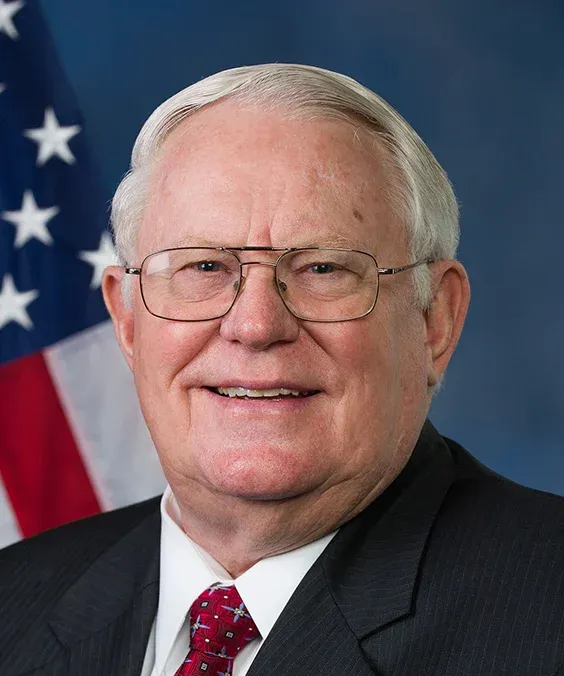
Glenn William Thompson is an American politician serving as the U.S. Representative for Pennsylvania's 15th congressional district since 2009. A member of the Republican Party, Thompson has focused on issues such as agriculture, healthcare, and veterans' affairs during his time in office. He has been involved in various legislative efforts aimed at supporting rural communities and promoting economic growth in Pennsylvania. Thompson has also served on several committees, contributing to discussions on national policy and local concerns.
I am committed to balancing the needs of the Commonwealth's families, communities, and producers who rely on natural gas-fired, coal-fired, and nuclear power generation with the needs of the innovators in the renewable economy.
I must stress that the farmers, ranchers, and landowners in my district cannot supply the world's food and fiber without 24/7 access to reliable and affordable energy.
Without the producers in rural America, our cities would wake up in the cold, dark, and hungry.
That's why my colleague, Representative Bonamici and I introduced H.R. 5129, the Community Services Block Grant Modernization Act.
We're talking about the original anti-poverty programs. One of the best forms of a public-private partnership that I know of, and it addresses poverty no matter what the root cause of poverty is.
I think, Mr. Chairman, we have some really good folks who are pending for confirmation at USTR, specifically in the agriculture area.
That is a crisis, when you have school districts that have their supplies cut in half.
This hearing today is a very important and long overdue hearing to review the current strains within the supply chain.
United States bureaucrats should be the last to deny, and to be a barrier, to the continued leadership of U.S. agriculture.
If appropriately embraced, agriculture biotechnology holds tremendous promise for addressing many of the challenges facing our nation.
I much appreciate you being here today and having this very timely conversation.
I don't think we want the leadership of either party writing our farm bills, including the forestry title.
It is kind of sad, this is what we get when they don't allow this Committee, the Agriculture Committee, to do its job.
We invest billions of dollars through the farm bill. We are really proud of the conservation title, and the benefits it brings.
Earlier this year, I introduced the SUSTAINS Act (H.R. 2606, Sponsoring USDA Sustainability Targets in Agriculture to Incentivize Natural Solutions Act of 2021), which would allow for third parties, including corporations, businesses of…
That is what we do with the farm bill. That is what we do in this Committee.
Our productivity of American agriculture has increased 287 percent since the 1940s.
American agriculture is, once again and it always has been, science, technology, and innovation.
I am eager to learn more about your contributions to this sector of our agriculture industry.
We need more active management, and the Forest Service needs our support to do that.
The forest products industry is critically important to many rural communities, supporting both economic and forest health.
Well, good morning, and thank you, Chair Plaskett and Ranking Member Baird, for holding today's hearing, it is incredibly important.
Politicians like Glenn Thompson