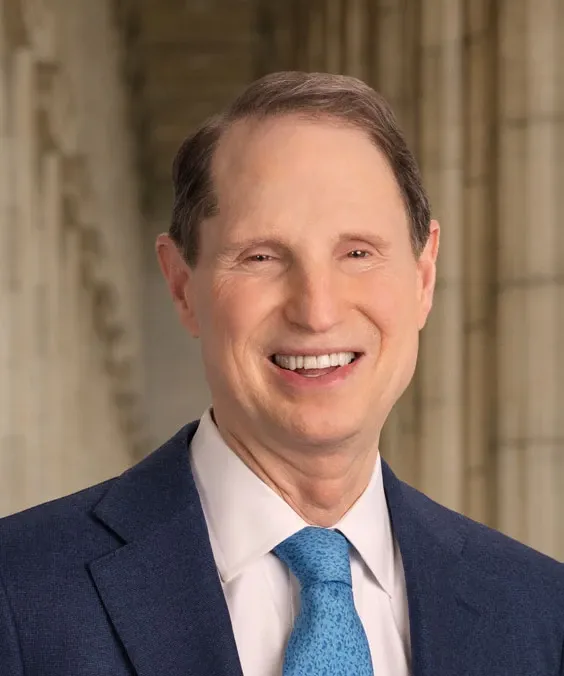
Peter DeFazio
The Public Record
Peter DeFazio is a former U.S. Representative from Oregon, serving in the House from 1987 until 2022. A member of the Democratic Party, he was known for his progressive stance on various issues, including transportation, infrastructure, and environmental policy. DeFazio played a significant role in shaping legislation related to transportation funding and was a strong advocate for public transit and sustainable practices.
Jul 15, 2009
I have proposed taxing oil by the barrel, with the idea that some of that tax could flow upstream to the OPEC cartel.
Jul 15, 2009
America urgently needs a robust transportation bill along the lines of what you passed on May 24th.
Jul 15, 2009
I fully support you in your urgency to pass something, and we should do so, assert our authority as the United States Congress.
Jul 15, 2009
But if we do an 18-month with no policy changes, it is going to kind of grind to a halt, right?
Jul 15, 2009
I applaud you and your Committee here for trying to put America back to work.
Jul 15, 2009
This delay here and this business as usual is really unfortunate. I am very disappointed in the Administration's position
Jul 15, 2009
Is that acceptable to this Administration, 18 months with no change in policy? Is that acceptable?
Jul 15, 2009
I agree with Chairman Oberstar. I read all the way through your testimony and I said this is really good.
Jul 15, 2009
I think that the Administration is being unnecessarily averse in underestimating the capability of the American public.
Jul 15, 2009
My State enacted a gas tax increase. We have the highest unemployment in America.
Jul 15, 2009
Or is that just a code word for we don't want to address revenues and increase investment in the Trust Fund until after 18 months?
Jul 15, 2009
The NCA II fears that the short-term injection of resources into the Nation's transportation system... will not have the intended result unless a longer range commitment to infrastructure spending through a timely reauthorization of the…
Jul 15, 2009
The NCA II respectfully requests that Congress move forward with the reauthorization of the Nation's surface transportation law as soon as possible.
Jul 15, 2009
I think that is the principal thing that has led the Administration to propose an 18-month extension.
Jul 15, 2009
I believe that it would be an extraordinary mistake for this Congress to accede to the demands that popped out of the White House three weeks ago.
Jul 15, 2009
An 18-month extension in practice indefinitely postpones reauthorizing the law.
Jun 24, 2009
Okay. Well, so we are basically waiting, and you guys have some big plans, but we don't know about them, and it has got to be done basically by the end of July.
Jun 24, 2009
I guess I would like to know what are the offsets, when are we going to see the cost benefit analysis, when are we going to see the policy changes?
Jun 24, 2009
Right. Well, I am well aware of that, and that is why we are concerned about 18 months versus the predictability of six years and enhanced investment to begin chipping away at our infrastructure deficit.
Jun 24, 2009
Yes, but the point is uncertainty. Okay, thank you. I don't think you have answered it.
Politicians like Peter DeFazio