Mar 16, 2011
I have asked that we file a complaint against OPEC for illegal commodity manipulation under the WTO.
The Public Record
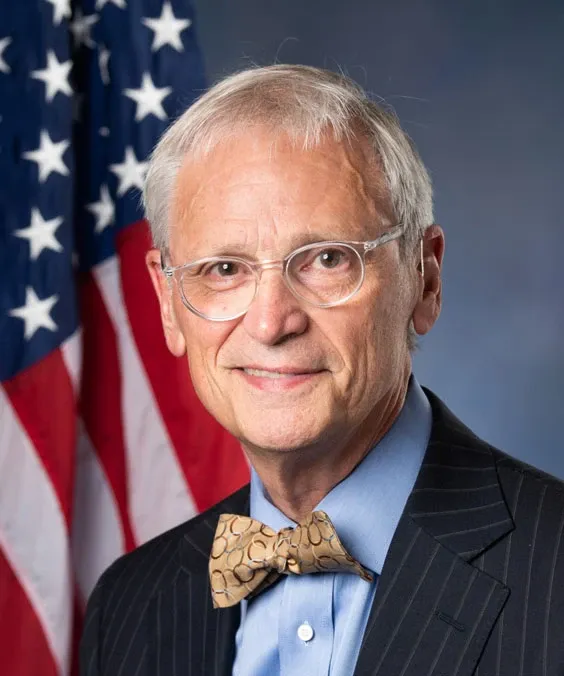
Peter DeFazio is a former U.S. Representative from Oregon, serving in the House from 1987 until 2022. A member of the Democratic Party, he was known for his progressive stance on various issues, including transportation, infrastructure, and environmental policy. DeFazio played a significant role in shaping legislation related to transportation funding and was a strong advocate for public transit and sustainable practices.
I have asked that we file a complaint against OPEC for illegal commodity manipulation under the WTO.
I mean, that is just supply and demand; no speculation involved, no manipulation involved, nothing.
Exxon's profits last quarter of last year was the largest quarterly profit for any earthly entity in the history of the world, $9.25 billion, up 53 percent in one year.
I am proud to say that the State of Pennsylvania has been doing that on the Keystone line, and it has been very successful.
I opposed it at the time. I was right. I said, it is not going to resolve the issues. It is going to lead to gridlock. It did.
How about a public meeting where the three agencies could discuss where they believe this is going? Again, I am having tremendous confusion on both sides of this debate, and this is a very polarizing issue.
This is not the time for us to be able to stop Secure Rural Schools. I believe that there has never been a greater need with our counties than right now with the challenges that they face.
I am all for dispensing with unnecessary bureaucracy but still will have concerns here.
So you can tell me that, should we approve this, you fully expect it will bring efficiencies that will get more money on the ground, more jobs created, more work done toward those goals.
If you want to put it into a historical context, in 1999 the House of Representatives actually passed what would have been a $3.2 billion package that essentially would have funded most of the components of Land and Water Conservation Fund.
So we could productively, with community and state support and tremendous consensus, spend these funds for their lawfully authorized purpose if we stopped using them as a phony budget offset, and that is what you are proposing this year.
I think these pilot projects for the first time in four administrations hold some promise of giving us a path forward.
If we break this gridlock there will be revenue for the government, revenue for my counties, there will be jobs, we will have healthier forests.
I want to thank you for the individual attention that you have put into trying to help break that deadlock
I think we've got a good framework from this. We'll look forward to Mr. Kempton's report as being instructive.
I am fully willing to accept the equivalence of CEQA, because in many cases it seems to exceed NEPA.
I think it's important to put an emphasis on looking at lower cost, more appropriate alternatives, that doesn't require you to take an exception or not be part of an experimental program.
Well, we'd love to be on the early distribution list so that we can incorporate some of the ideas into our reauthorization working with the chairman because we need to address this situation.
And as I understand it, there is a major barrier that States don't want to waive sovereign immunity.
Well, not under existing law. There are five States eligible under the pilots, but I'm saying if we made it a part of permanent law that States could request that authority, you would not object to that.
But I think we need to perhaps elevate that issue higher or look at whether the exception process is the right way to go.
Bottom line, there is no excuse for unnecessary bureaucratic delays, and we have got to look at ways to eliminate those sorts of things.
Politicians like Peter DeFazio