Feb 12, 2013
I would suggest if we could find a dedicated revenue source; i.e., indexation, that we might borrow a bunch of money upfront on pretty short-term bonds that we could get for very, very low rates to really jump start the Trust Fund.
The Public Record
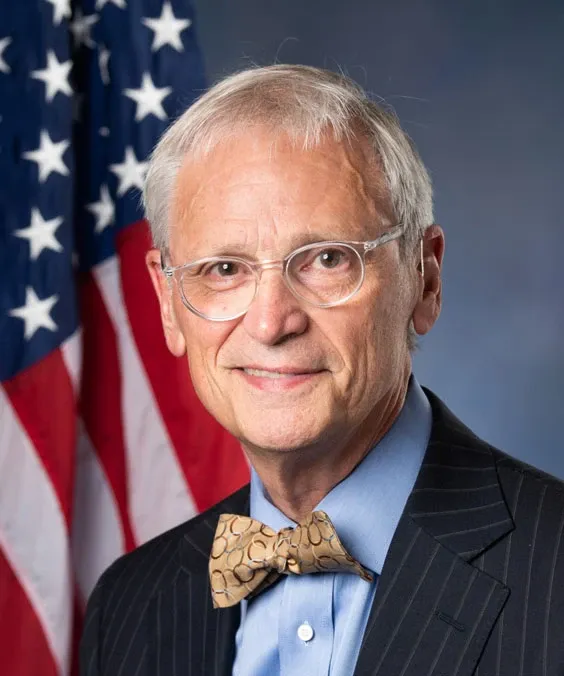
Peter DeFazio is a former U.S. Representative from Oregon, serving in the House from 1987 until 2022. A member of the Democratic Party, he was known for his progressive stance on various issues, including transportation, infrastructure, and environmental policy. DeFazio played a significant role in shaping legislation related to transportation funding and was a strong advocate for public transit and sustainable practices.
I would suggest if we could find a dedicated revenue source; i.e., indexation, that we might borrow a bunch of money upfront on pretty short-term bonds that we could get for very, very low rates to really jump start the Trust Fund.
We tried it, it doesn't work. So I just wanted to make and kick off for the point about devolution.
Thank you, Mr. Chairman. Mr. Chairman, I have a statement from Mr. Bishop, he couldn't be here, and from the Water Infrastructure Network, I would like to enter into the record.
Yet, I would note as of February 1, 2013, the industry holds drilling rights to 30 million acres offshore; 85 percent of the acreage under lease is not producing.
Mr. Mica's unhealthy obsession with privatizing the Northeast Corridor has eliminated support and even violates the U.S. Constitution.
I fully agree that we need true high-speed rail in the Northeast Corridor, but we need to have a serious conversation about how this is going to happen.
Sometimes there is great resistance to change, and that requires somebody to punch through with vision.
I really have to question why it is that Members of Congress are so headstrong against high-speed rail in some corridors.
I do share your view and that of Ms. Norton that we have a really densely populated corridor in the Northeast that requires robust development of high-speed rail.
I mean this is nuts. I mean TSA is inventing a whole new thing when all they need to do is read the damn cards.
But I am just saying why not eliminate that step? Why not just have a standard boarding pass, and the key--if you want to stand in that line, and they can either let you go through, or decide to randomly screen you--is to show them the…
I mean I don't get it. That seems pretty routine to me. I mean what is the barrier?
We wanted to create a risk-based system that went after people who posed a risk.
We need a TSA that is more nimble, more responsive, that does a better job at acquiring technology to expedite the screening process.
I would just reflect that since I have been in Congress we have come a very long way on aviation security.
Can you name a country that has gone down this route, withdrawing all Federal support, all national support for their transportation infrastructure in the air, on rail, and on the ground?
So, then I guess I am puzzled as to where the savings comes. And I guess I don't see there are savings.
The Federal Government should not be involved in coordinating our national transportation system on the surface.
There is no successful model of operating a system of any great size more efficiently and contracting it out. Hasn't worked.
If we go back to the proposal in H.R. 7, which would mandate outsourcing the long-distance routes to the lowest bidder, but then would transfer the operating grants to the lowest bidder, I am puzzled as to how the taxpayers come out ahead…
This is the only form of transportation that the Federal Government subsidizes. Well, that is blatantly not true.
They come up with this phenomenal number of $51 per passenger on Amtrak. But they ignore the bulk of the passengers.
Politicians like Peter DeFazio