You can either, you know, sort of spread the money around and not do anything very well and drive up the cost of new projects, or you can concentrate the assets, the inadequate funding, and get some things done but then not do other things…
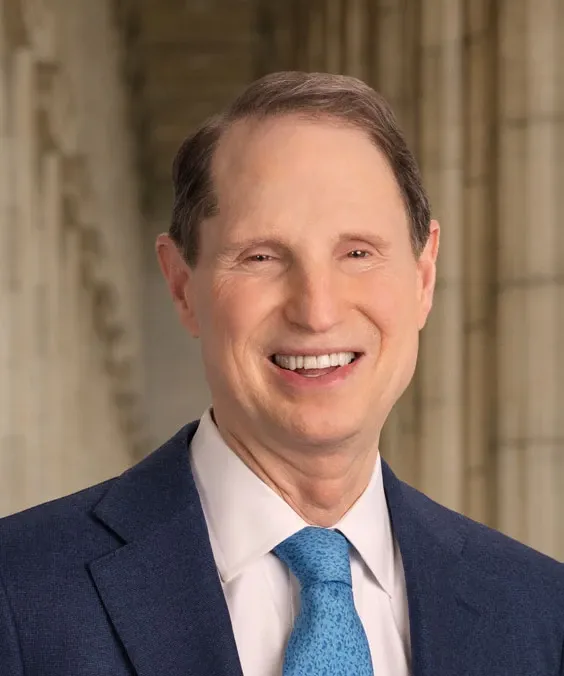
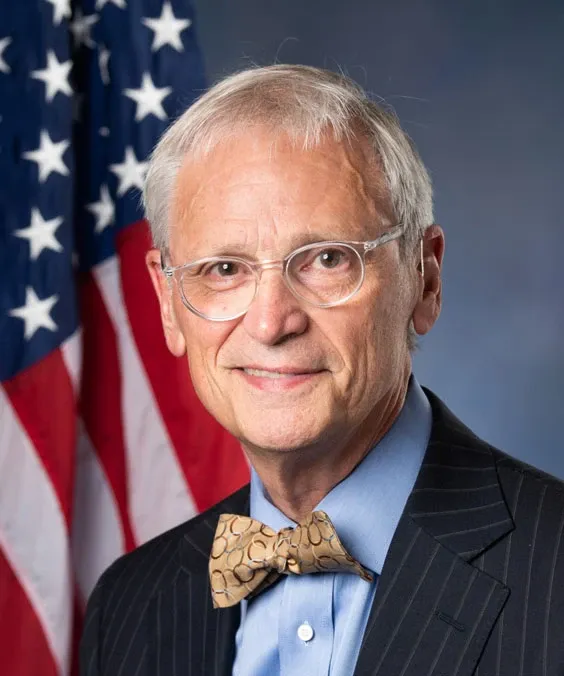
Peter DeFazio
The Public Record
Peter DeFazio is a former U.S. Representative from Oregon, serving in the House from 1987 until 2022. A member of the Democratic Party, he was known for his progressive stance on various issues, including transportation, infrastructure, and environmental policy. DeFazio played a significant role in shaping legislation related to transportation funding and was a strong advocate for public transit and sustainable practices.
I realize there are consequences, but I have got to say that I am very--you know, I will recognize this administration has poured more money into O&M than any other administration in the last decade.
I can't think of another Federal agency that has as challenging a portfolio.
I think we need to change the way OMB works. A little more transparency, and perhaps some timelines would be useful.
I have got to say, as a member of the committee, I am going to wonder why we should do that, because we still haven't implemented the majority of the 2011 Act.
So part of the reason we are here is Congress is not ponying up the money, and we are subject to sequestration.
The number one priority is to protect the FAA and Air Traffic Organization from Congress.
AIP should move over and you should fund AIP; that takes away some of our burden.
I think it is clear we all have a common objective here. We want to maintain and improve upon the safest air traffic control system in the world.
Yes--well, no, sir. But if I point it out, actually the costs you are assuming are $3 billion less than the revenues that currently flow from the airlines.
So that is left over here without a funding source. So that is subject to all the vicissitudes, to all the problems we talked about, sequestration and all that.
What I was telling you is the revenues that are going away are larger than the duties that are being assumed.
So just in summary--thanks, Mr. Chairman--we are going to create a new entity that is going to be able to raise in excess of $1.6 billion a year to pay for GA's AIP.
We have got to pay for that somehow. And if you do not want to have a dramatic increase in landing fees, how are we going to pay for that?
Let's step back a moment. As I figure, the airlines and their customers contribute about 94 percent of the current revenues.
Yes. But your model is, you move it over. But their model is, it stays with the Government.
So is A4A willing to have that discussion? I have not been able to get it going so far.