Jun 23, 2015
It is clear that the Class I's aren't going to be able to meet the deadline.
The Public Record
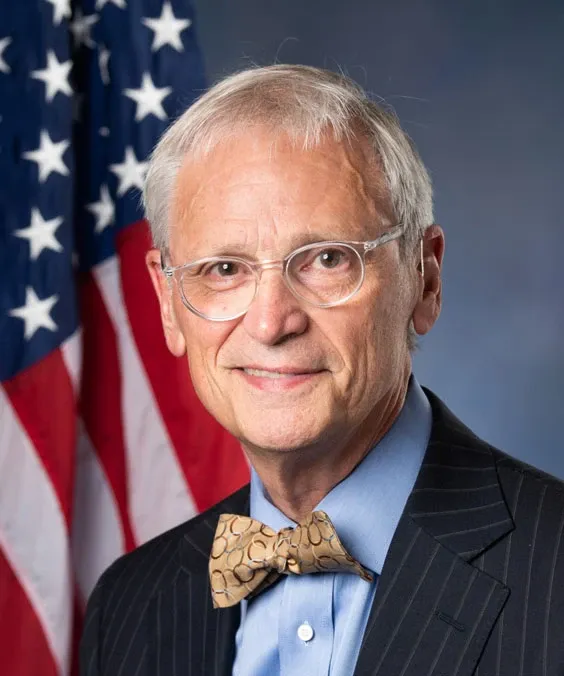
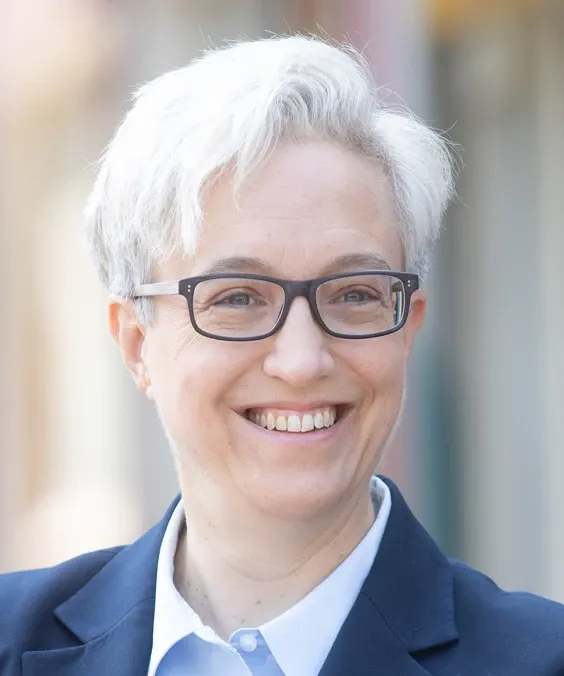
Peter DeFazio is a former U.S. Representative from Oregon, serving in the House from 1987 until 2022. A member of the Democratic Party, he was known for his progressive stance on various issues, including transportation, infrastructure, and environmental policy. DeFazio played a significant role in shaping legislation related to transportation funding and was a strong advocate for public transit and sustainable practices.
It is clear that the Class I's aren't going to be able to meet the deadline.
But what I am trying to get at here is everybody here wants to get this done as quickly as possible.
This was not a knee-jerk reaction to Chatsworth, and this has been something that has been a very, very long time in the making.
Now earmarks got a bad name. I won't go into that for various reasons. And they were banned. Well, that was stupid.
This was an attempt to restore what I always thought was a good principle, which is those who were elected from local areas better understand the needs of their constituents and their infrastructure than the main offices of the Federal…
Last time I checked--and someone on the panel can probably correct me--the Corps had more than a $40 billion--``b,'' billion--backlog of critical infrastructure that needed repair or replacement. That is not acceptable.
Congress has not been forthcoming. How are we going to deal with the commuter railroads?
In fact, on the day of the accident, they cut $290 million from the capital budget of Amtrak.
Unfortunately, that is not shared by your Republican colleagues on the Transportation, Housing, and Urban Development Appropriations Subcommittee.
I certainly agree with you about the extraordinary importance to the concentrated population on the east coast of the United States on the use of this corridor on a daily basis in terms of the number of people that use it and the…
This should be a shared responsibility to build out a robust early warning system, save lives.
I am looking at giving you specific authorization since it hasn't been given a priority. Why hasn't it been given a priority?
Given what you just heard today, don't you believe that we should perhaps be investing more money in that program to deal with both early warning and other things that have just been talked about in terms of mitigation?
For $38 million the Government of the United States of America could fund a real-time, at-sea-based early warning system.
If we are better prepared, if we invest in resilience, if we invest in the case of the west coast and an early warning system, we can save potentially thousands of lives and billions of dollars in infrastructure and economic damages and…
I would observe, unfortunately, here in Washington, DC, we seem to have what I call a tombstone mentality.
We keep mandating lots of activity. And today it seems to have resulted in less clarity for the industry.
I delved very deeply into highway and motor carrier safety during my 4 years as chairman of the subcommittee.
I am disappointed in the administration, and I know that is not up to either of you.
I realize there are consequences, but I have got to say that I am very--you know, I will recognize this administration has poured more money into O&M than any other administration in the last decade.
Politicians like Peter DeFazio