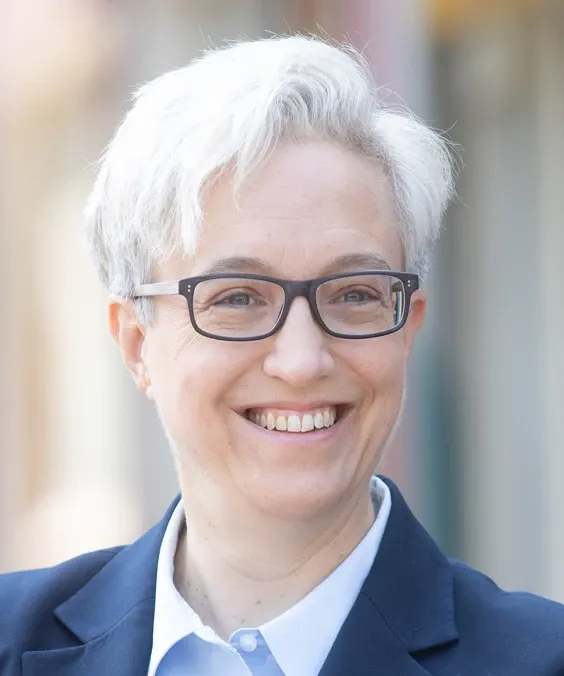
Peter DeFazio
The Public Record
Peter DeFazio is a former U.S. Representative from Oregon, serving in the House from 1987 until 2022. A member of the Democratic Party, he was known for his progressive stance on various issues, including transportation, infrastructure, and environmental policy. DeFazio played a significant role in shaping legislation related to transportation funding and was a strong advocate for public transit and sustainable practices.
Feb 28, 2017
I am vitally interested in the needs of the airports, particularly their unmet needs.
Feb 14, 2017
So, I mean, the net result is that, although I assume that many operators might go ahead and comply with it once they become aware of it, but it is not mandatory because we haven't been able to adopt a rule.
Feb 14, 2017
I would observe that certification is, when the industry is polled broadly, the number-one issue.
Feb 14, 2017
I think sundering the agency is problematic when the certification is recognized by so many as the number-one problem we have today with the FAA.
Feb 14, 2017
That seems unreasonable. And I think it would be critical that, in this long-term bill, that we put in provisions for reciprocity.
Feb 14, 2017
I really want to see that move forward, and I want to help rein in the abuses of the Chinese and others.
Feb 14, 2017
I would hope that we can reach that same point again very quickly this year.
Jan 31, 2017
The cost of congestion since we began the hearing for American individuals and business was $54,750,000.
Jan 31, 2017
I intend to continue to push for us to actually finally put our money where our agreement has been, and get some of these things done.
Jan 31, 2017
I would reflect that Congress did--although most don't know it--increase the inland diesel waterway user fee, diesel tax, in a yearend budget deal 2 years ago.
Jan 31, 2017
Does anybody here think that a one-half of 1 percent increase in the cost of diesel would cause an undue disruption to the American economy?
Jan 31, 2017
I want to reinforce that. And this clock will recognize, on a daily basis, the cost of congestion to the American economy.
Jan 31, 2017
I hope that we can join and make common cause in these areas, because we do need to rebuild our country.
Jan 31, 2017
Let's index the gas tax--radical proposal. We can index it to construction cost, inflation, fleet fuel economy.
Jan 31, 2017
The American people get it. A number of all-red States have raised their gas tax. Nobody has been recalled or lost their election.
Jan 31, 2017
The status quo has been, we are frozen in amber. We are refusing to invest in our infrastructure.
Jan 31, 2017
I hope we can bring back congressionally designated spending, where we set priorities for some small amount of our annual investment.
Sep 20, 2016
So, large areas, as the mayor of Beaverton mentioned--I was just looking at more maps in Coos Bay, where there has been State and local investment for hopeful massive redevelopment--and those areas become unbuildable, then the State is…
Sep 20, 2016
But one of the key things in our land-use law is compact growth, sometimes controversial.
Sep 20, 2016
So many properties now that aren't required to have Federal flood insurance in order to obtain bank financing will be required to in the future.
Politicians like Peter DeFazio