Jan 15, 2014
Now, if that's true, the geopolitical consequences of such an attack should really be profound.
The Public Record
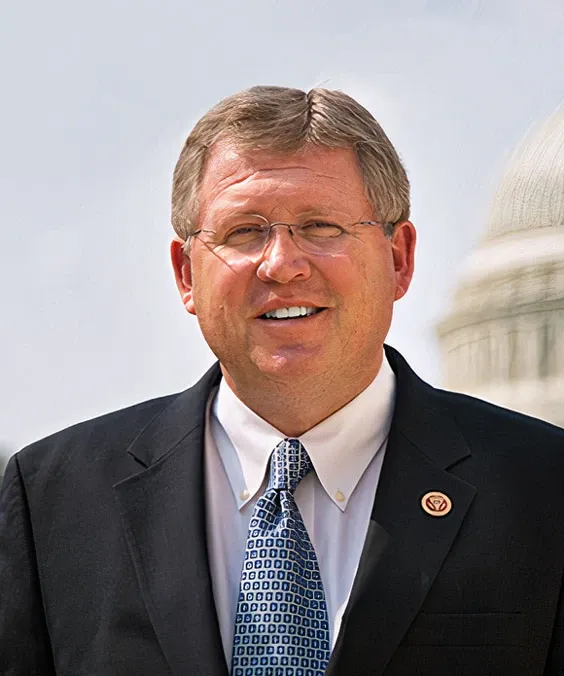
James Mountain Inhofe is a former United States Senator from Oklahoma, serving from 1994 to 2021. A member of the Republican Party, Inhofe is known for his strong conservative views, particularly on issues related to national defense and environmental policy. He gained notoriety for his skepticism regarding climate change, famously calling it a hoax. Throughout his tenure, he held significant positions, including Chairman of the Senate Armed Services Committee and the Senate Environment and Public Works Committee.
Now, if that's true, the geopolitical consequences of such an attack should really be profound.
General Dunford, what is the plan to deal with the disposition of the approximately 38 non-Afghan national detainees you said in your advance policy questions continue to be detained by U.S. forces in Afghanistan?
General Dunford, troop numbers in Afghanistan at the end of 2016 are supposed to look like troop numbers in Iraq at the end of 2011--"a normal embassy presence". What do you think that means?
The main thing we want to hear before this committee is that you do have a commitment to do your best.
Six years in, we still have no strategy in the Middle East and no plan to deter Russia, China, Iran, and the Islamic State of Iraq and Syria (ISIS), and no updated national security strategy.
General Dunford, will we still do close air support--and if so, under what conditions--for U.S. troops, for partner troops, for Afghan troops?
I would assess the morale of the forces in Afghanistan today and, frankly, in the force as a whole as something we can all be very proud of.
It's clear that Russia, China, Iran, ISIS see weaknesses in the President's rhetoric and it's not going to deter them from taking more aggressive action.
Their morale after 13 years of war has met or exceeded anybody's expectations over time.
Increases in health care spending will largely come at the expense of readiness spending.
A budget-driven strategy is not really a strategy at all but rather an exercise through which the force is developed to fit a given funding level.
I know this Administration and I will probably never agree on the science of global warming. But we can set that aside for now and focus on perhaps the more alarming issue--the politics of the EPA's regulations.
Politicians like Jim Inhofe