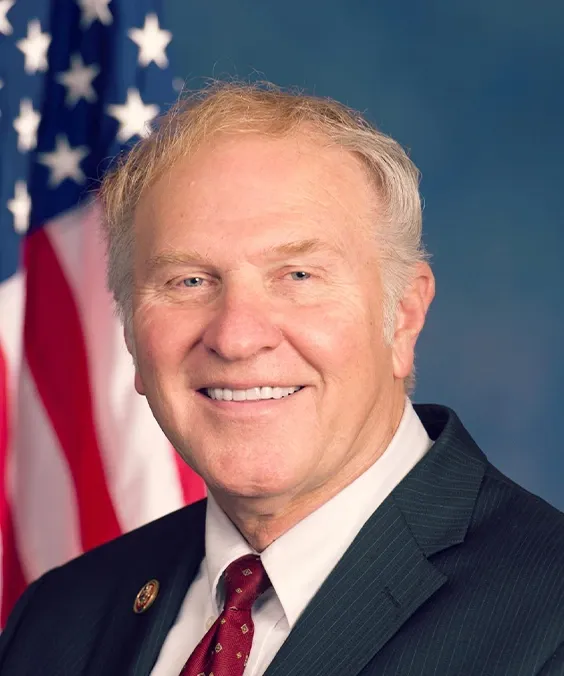
On the recordSeptember 17, 2025
under the D.C. Home Rule Act, the President, with the advice and consent of the Senate--a chamber in which D.C. has no representation--appoints judges to the local D.C. courts. The President must make a nomination from a list of candidates recommended by the Judicial Nomination Commission. The establishment of the Judicial Nomination Commission provided D.C. with three, albeit limited, roles in the nomination of its local judges. First, members of the commission must be D.C. residents. Second, D.C. appoints three of the seven members of the commission. Third, the commission holds a public comment period on applicants for a vacancy on the local D.C. courts, allowing D.C. residents to express their views on applicants. Republicans claim the Judicial Nomination Commission is unconstitutional because it limits the President's authority to make nominations. They are wrong. The commission has been in existence for 50 years. Congress, not the President, has plenary authority over D.C. Congress also has plenary authority over the territories, and Congress has given them authority to select their local judges without any role whatsoever for the President or Congress. I refer my Republican colleagues to the Supreme Court's decision in 2020 regarding the appointments to the Puerto Rico financial control board, which Congress established pursuant to its plenary authority over Puerto Rico.
Source
govinfo.gov