The Constitution gives you the right to reclaim your slaves, if they escape into any other State; this is all the right it gives you, and all there is in the Constitution that can by any possibility be construed to apply to slaves.
Cydnor Tompkins
The Public Record
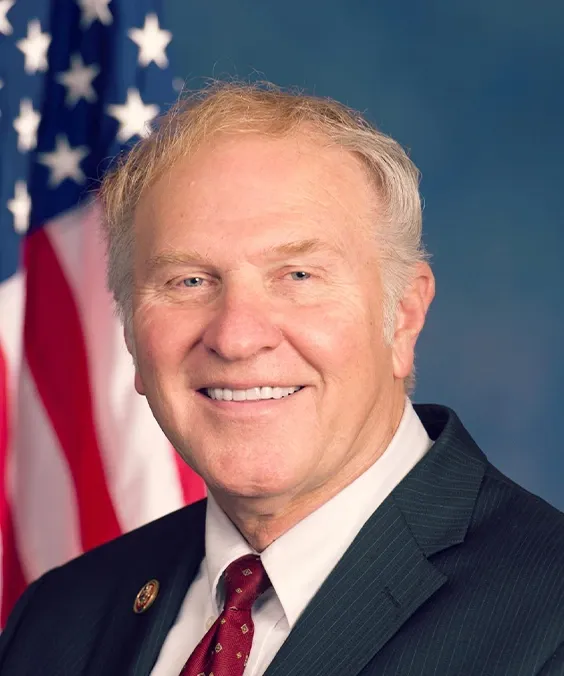
Cydnor Bailey Tompkins was an American lawyer and politician who served two terms as a U.S. representative from Ohio from 1857 to 1861. He was the father of Emmett Tompkins.
gutenberg.org
The Supreme Court of the United States has decided that slaves are not property under the Constitution.
The Constitution of the United States nowhere recognises slaves as property.
If you mean by this that the Constitution of the United States gives you the right to go into the Territories belonging to the people of this country, and take with you not only your human chattels, but also your bloody slave laws, I say…
We hear much said about the constitutional rights of the South; it is thundered in our ears from the beginning to the end of the session of Congress.
I say that slavery is but the creation of some local enactment, and that no property can exist in a human being, unless it is made so by some law.
You may go, and take your slaves with you, if you have a mind to run the risk; I say you shall not take your slave laws with you.
And when I have admitted that all have the same constitutional rights in the Territories, I have by no means admitted that men from the South have a right to hold slaves in the Territories.
But I am not willing to give to a man from a slave State any greater rights than to a man from a free State.
I say it would be an act of injustice to deny one man any right in the Territory that another man has, and would be just cause of complaint.
Having endeavored to show what slavery was, and what it has done, I now propose to show what it intends to do.
There are, no doubt, many good and humane men in slave States, who deprecate these wrongs; but they dare not utter a word--every mouth must be stopped, every lip must be sealed, every voice must be hushed, all must be silent as the…
Recently, a whole community of moral, peaceable citizens were driven from their homes, compelled to abandon their property, and seek refuge in a free State, from the violence of slaveholders.
In addition to these great national aggressions, there are numerous similar infringements upon the rights of individuals of the North--of tarring and feathering, of whipping--acts of such barbarity and cruelty, that it would chill a man's…
I charge them as direct, positive aggressions, on the rights of the free people of the North.
All these things I have charged as aggressions of slavery are national aggressions, for which the slavery party, having control of the administration of this Government, are responsible.
I charge that the murders, robberies, and arsons, in Kansas, were aggressions of slavery.
It was a decision made for the benefit of slavery, and to deprive the people of the free States of their equal rights in the Territories.
I charge that the decision of the Supreme Court in the Dred Scott case was an aggression upon the North.
I charge that the adoption of the fugitive slave law, with many of its odious and obnoxious provisions, was an aggression upon the people of the North.
I charge the annexation of Texas, whereby the Mexican war was brought upon the country, more than two hundred millions of money were spent, and many thousand lives sacrificed, as an aggression.
I charge upon slavery, that the enforcement of the Missouri compromise was an aggression upon the North.
The stars and stripes wave triumphantly over a free and joyous people.
The black banner of slavery is trailing in the dust.
All these wrongs, all these outrages, all these crimes of blood and deeds of horror, were committed to plant the accursed institution on the soil that had been, by a great national act, dedicated to freedom.
Politicians like Cydnor Tompkins