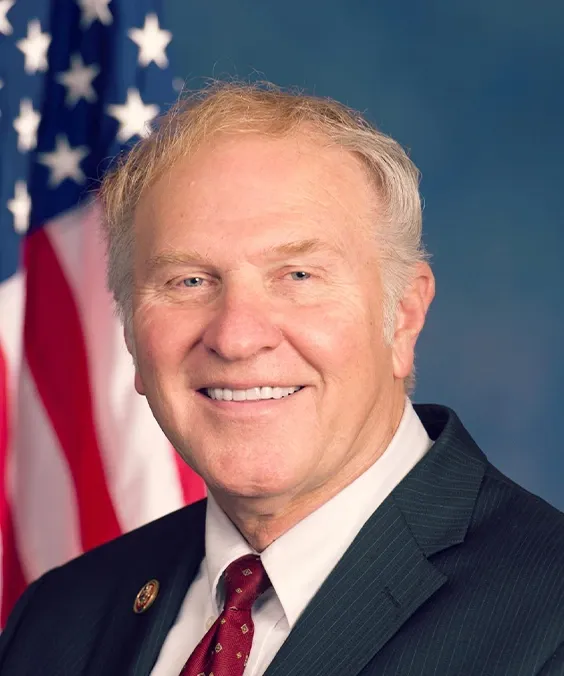
On the recordFebruary 13, 2002
I think a lot of issues that do or do not pass here are debated, obviously, on their merits, whether it is prescription drugs or health care or Social Security. And when we start to talk about the money in the system and the influence, this bill is not going to change that. Wealthy individuals, in my opinion, are still going to be in the system, unregulated, to do as they want with advocacy. But groups that are pushing, for example, for prescription drugs, their voices will be silenced, in the Shays-Meehan approach, in the last 60 days if they want to go to the radio ads or they want to go to the TV ads. I do not think that is a level playing field, letting one or two wealthy individuals in this country push around the advocacy as they please. Maybe they will want to stop prescription drugs, perhaps help prescription drugs, but, on the other hand, a lot of people who will advocate for a lot of good things for Americans, their voices will be silenced.
Source
govinfo.gov