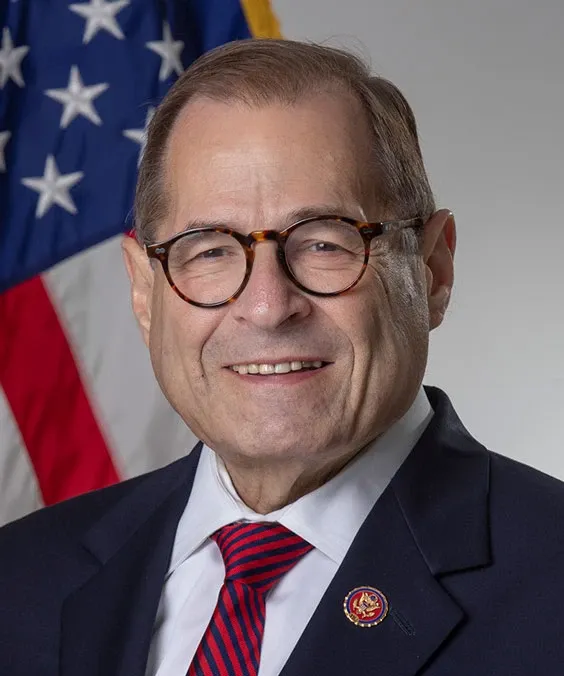
Pat Ryan
The Public Record
Pat Kevin Ryan is a member of the U.S. House of Representatives, representing New York's 18th congressional district since August 23, 2022. A member of the Democratic Party, Ryan has a background as an Army officer and has engaged in various public service roles prior to his congressional career. His work in Congress has focused on issues such as national security and veterans' affairs, reflecting his military experience.
Mar 2, 2009
Honestly, where does the rest of this savings come from? Or the tax increase come from?
Mar 2, 2009
If you just did nothing, if you just didn't pass this budget, the deficit would drop faster than passing this budget.
Feb 24, 2009
In my 50 plus years observing science and being a part of it, I have never seen settled science.
Feb 24, 2009
I think it is strange that we are sitting here today talking about making trillion dollar decisions based on computer models.
Feb 3, 2009
That is a staggering increase. Can you drill down into that number and give us a sense of why, how, and what direction are we headed now?
Feb 3, 2009
Is it the higher-tech nature of the equipment and, therefore, the less predictability?
Jan 12, 2009
This is going to be a tough 2 to 4 years, and that is why it is important to have someone with credibility, someone with skill, someone with knowledge and experience to help us navigate our way through these extremely difficult times that…
Jan 12, 2009
I am particularly pleased with his ability and his success at beefing up the Health Care Analytical Section at the Congressional Budget Office.
Jan 12, 2009
He gave us fair answers. We come from different economic doctrines and philosophies, but he did not bring that to the CBO.
Jan 12, 2009
Congratulations on your appointment to serve as our next OMB Director. It is fantastic and it is well deserved.
Politicians like Pat Ryan