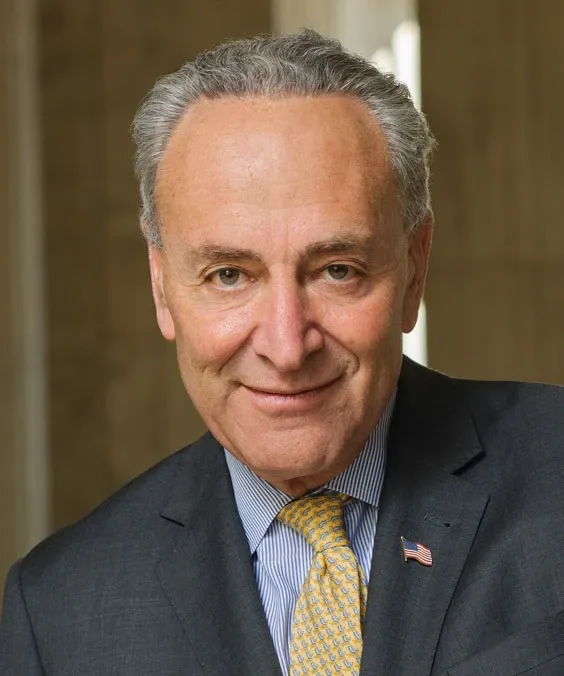
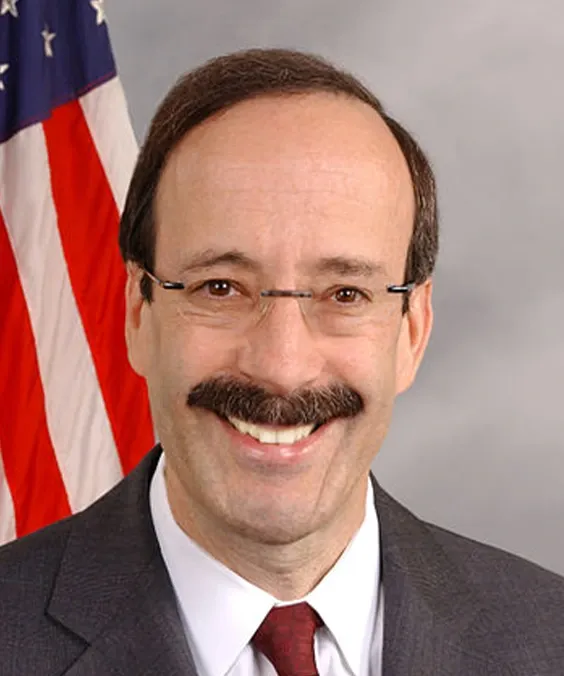
Charles E. Schumer
The Public Record
Charles E. Schumer is the current Senate Majority Leader and a prominent member of the Democratic Party, representing New York. He has served in the U.S. Senate since 1999 and previously held the position of a U.S. Representative from 1981 to 1999. Schumer has been a key figure in various legislative efforts, particularly in areas such as healthcare, immigration reform, and technology regulation. He has recently voiced concerns about the impact of artificial intelligence on political campaigns and the need for bipartisan solutions to address these challenges.
Jan 29, 2003
Despite this evidence, which was enough to convince a jury of age discrimination, you voted to overturn the jury's verdict for the employees.
Jan 29, 2003
I find it troubling that legal principles constrain you in this case, where you are vindicating an employer.
Jan 29, 2003
I understand, but that is where we pass from strict constructionism to judicial activism in a certain way, and--
Jan 29, 2003
I think it is the case that we do have a Federal system, that States have powers and responsibilities.
Jan 29, 2003
It's a healthy reminder that we're a country that was formed by States and that we still live under a Federal system.
Jan 29, 2003
The States, as co-equal sovereigns, have their own sovereign powers, and that includes, as everyone at the time of the Constitutional Convention understood, sovereign immunity.
Jan 29, 2003
That letter is pretty timely, in terms of Senator Durbin's question. Did we get that letter this afternoon?
Jan 29, 2003
Well, thank you. I will do it again if you would like to be more grateful to me.
Jan 29, 2003
How many of the cases where you argued on these significant cases--I mentioned four or five before.
Jan 29, 2003
Did you contact them and say, 'I'd like to be involved in this, I'm an expert'? Or did they contact you?
Politicians like Charles E. Schumer