On the recordApril 16, 2015
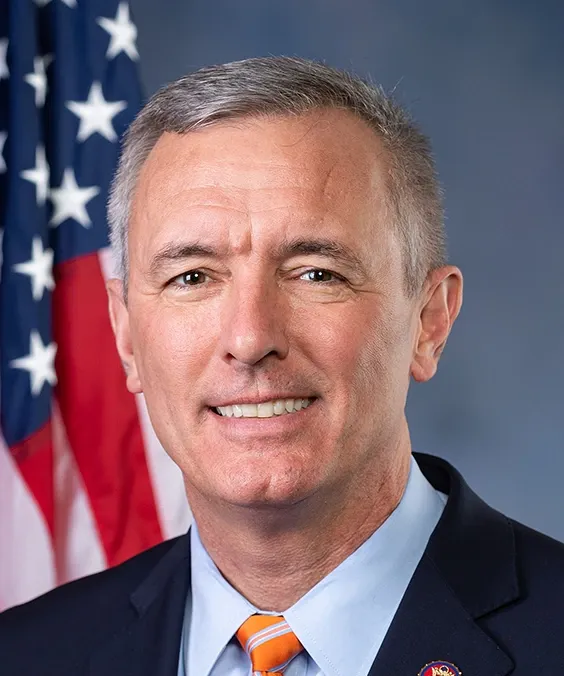
In 1939, a man started a car dealership to realize the American Dream. When he died, the ownership of the business was passed along to his son and so was a death tax liability equal to a significant value of the business' worth. The IRS was there 3 days later after the father's death, wanting the money, 50 percent of the value of the business. His son nearly declared bankruptcy. Fortunately, he was able to pull resources together to keep his family's profitable dealership afloat and save jobs. He still runs the dealership to this day and has more than 100 employees. That son is me. Mr. Speaker, today, the House will vote to repeal the death tax, the most unfair double taxation on job creators we have ever seen. The death tax is a tax on savings that have already been taxed on before, but the tax provides less than 1 percent of Federal revenue. According to the Tax Foundation, repeal of the death tax would boost GDP, create 139,000 jobs, and eventually increase Federal revenue. That is right. Ironically, by killing the death tax, the U.S. Government would earn more money and more opportunities. Mr. Speaker, many second-generation businessowners do not have the means to hire teams of accountants and lawyers to navigate the costly obstacles to save the family farm and save the family business. The SPEAKER pro tempore. The time of the gentleman has expired.