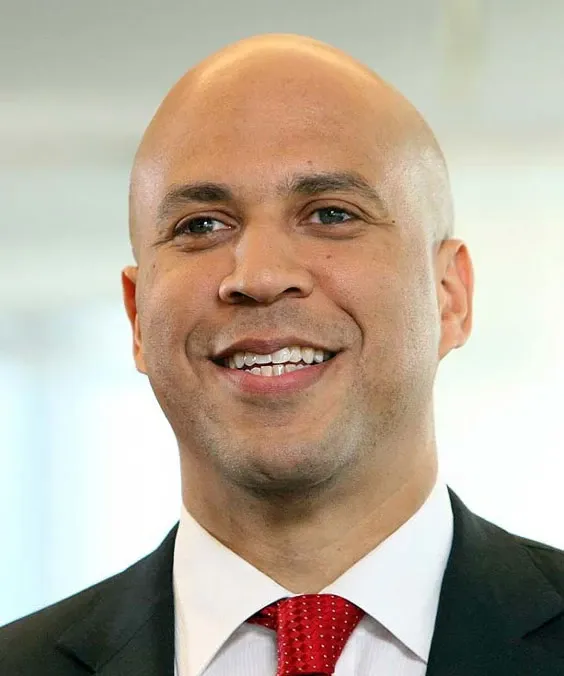
On the recordJune 15, 2000
I want to talk about this Allard amendment because it gives an appearance of reserving $12.2 billion for deficit reduction. I support that goal, and I am not going to oppose this amendment. But I really want to make it clear that, as a practical matter, this amendment has no meaning. Nobody should fool themselves into believing otherwise. The current budget rules already protect budget surpluses by establishing limits on discretionary spending and by requiring offsets for all new mandatory spending or tax cuts. These rules require across-the-board cuts if Congress raids any surplus by exceeding the spending caps or by violating the so-called pay-as-you-go rules. So this amendment doesn't add any new protections to those already in law, nor does it change the provisions in current law that require all surpluses to be used to reduce our public debt. The amendment claims to promote debt reduction by depositing $12.2 billion into a trust fund that generally is used for receipts of gifts from foreign countries, the proceeds of which are automatically dedicated to debt reduction. Well, that sounds good. I don't think it is going to do any harm. But it doesn't change anything, realistically. It is an intragovernmental transfer, taking from one end of the Government and giving it to another. It doesn't affect the bottom line, and it doesn't add any protections that don't already exist.
Source
govinfo.gov