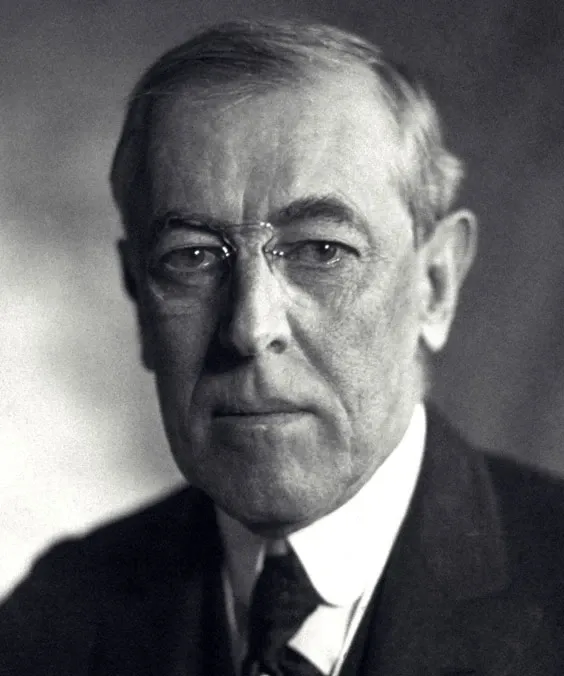
The way the U.N. assesses dues is based on GDP. The U.S. has 28 percent of the world's wealth. And as we continue to reduce our contributions to the United Nations, we are actually paying less. As we reduce our contributions down from 25 to 22, and we want to go to 20, that means that the poorer countries in the world will have to pay a disproportionate share, as we pay less than our share. So we are not paying more; we are actually paying less than the world standards of how assessments are done.
Donald M. Payne: “The way the U.N. assesses dues is based on GDP. The U.S. has 28 percent of the world's wealth. And as we continue to…”
Editor's note · Context
Discussing U.S. contributions to the United Nations and their impact on poorer countries.
Share
More from Donald M. Payne
I was unable to cast my vote for rollcall votes 34 and 35. Had I been present, I would have voted ``nay'' on rollcall vote No. 34 and ``no'' on rollcall vote No. 35. ____________________
I was unable to cast my vote for Roll Call Vote No. 141. Had I been present, I would have voted Yea on adoption of H. Res. 1143.
I now ask if you all might stand for a moment of silence for these people and the service that they provided. Thank you very much. This concludes our report. Let me remind you that, today, we have a full and exciting program, including…
I thank the gentlewoman from Florida and the gentleman from Illinois for leading this Special Order hour, which is a great responsibility given to them by the chairman of this body. Mr. Speaker, I rise today to address the recent expulsion…