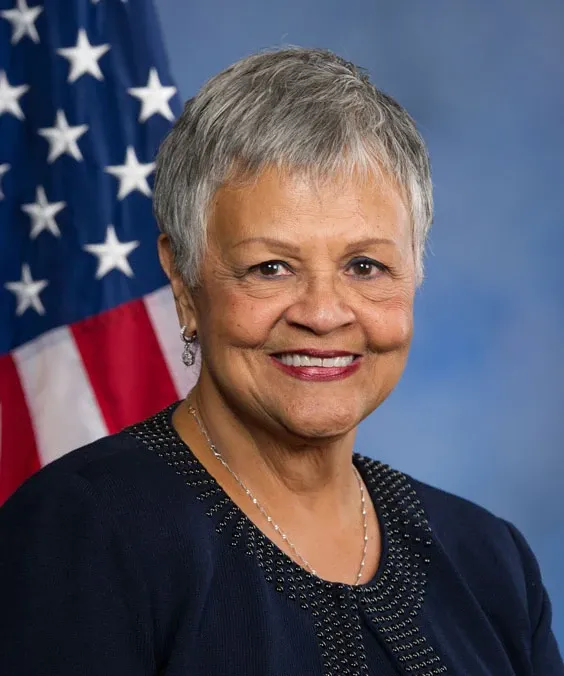
On the recordSeptember 18, 2014
I rise today to introduce with Senate colleagues the Innovation in Surface Transportation Act, which will spur economic development and include more local stakeholders in transportation projects. I am proud to join with Senators Wicker, Begich, Cochran, and Casey to sponsor this important bipartisan legislation. As a former Mayor, I understand local leaders are often in the best position to make sound, cost-effective investment decisions to boost the local economy. Today, our cities, towns and suburbs are not getting the transportation investments they need to remain competitive and attract the kind of investment needed to create jobs and put more people to work. This legislation establishes a statewide program of competitive grants to local communities overseen by a diverse selection panel, including state Departments of Transportation, local jurisdictions, port authorities, and representatives from air quality and safety organizations. This innovative proposal would encourage communities to compete against their peers, and stretch to make the most of every project and every dollar. Recognizing each state and region has different transportation needs, the panel would create criteria specific to their State's needs, such as improving the movement of freight, or connecting low-income communities to jobs.…