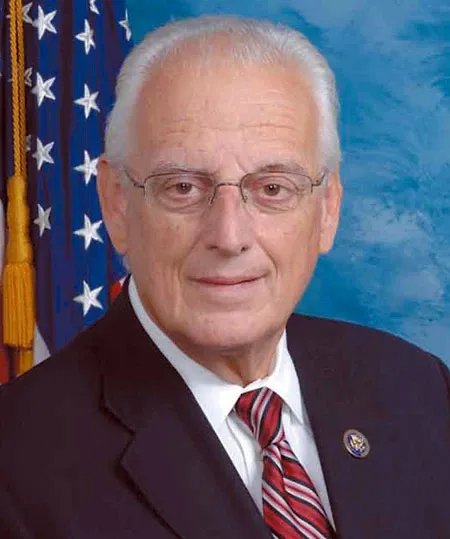
On the recordOctober 8, 2015
This past spring Congress passed legislation that authorized the President to negotiate and sign sweeping trade agreements with limited input from Congress. When I say ``the President,'' I am not just talking about Mr. Obama, Mr. Speaker. I am talking about anyone who sits in the Oval Office from now on. This body then went on to pass a trade adjustment assistance package that falls far short of what is necessary and, in and of itself, acknowledges the loss of employment that comes from the trade agreement. Those steps set the stage for the Trans-Pacific Partnership, the final language of which was announced earlier this week. That deal was built from years of secret negotiations between corporations and trade representatives, with little to no input from the working families who will have to bear the loss of jobs here at home. Mr. Speaker, back in New Jersey, we know what happens when trade deals don't consider American workers. Factories close, employees are laid off, and whole cities that used to pump out products for consumers around the world are suddenly faced with stunted economies and incomprehensible unemployment. While I am not opposed to free trade, our priority can't simply be corporate gains under the guise of economic growth; it must be the welfare of working families. But working families are going to find themselves out of luck if they are forced to compete with salaries of just cents an hour overseas. TPP is a very bad deal.…