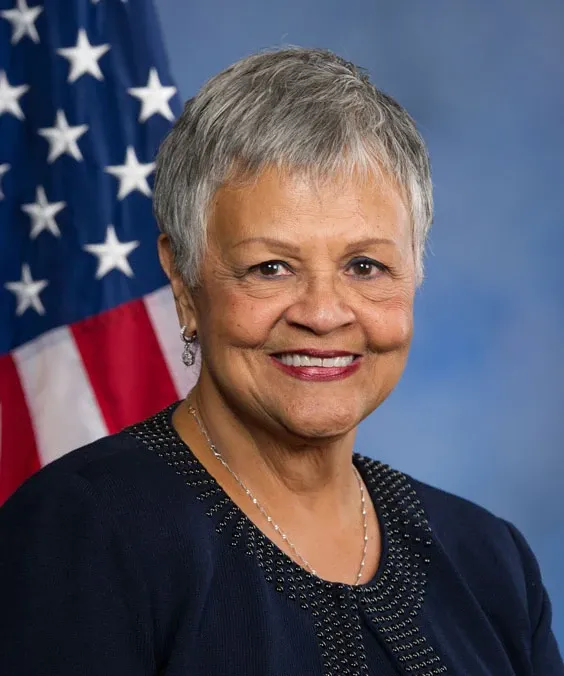
On the recordFebruary 24, 2010
We who worked with Jack Murtha day in and day out really appreciated his deep respect for this institution. In a time when we see the demise of institutional respect and ritual, he enjoyed the ritual of this House, just as he enjoyed the ritual of serving his country as a marine. He enjoyed the ritual of marriage. He was honorable, he was devoted, and he was faithful; a faithful brother who served his country and asked nothing in return. Man, that is different in this city. Jack and I 7 years ago came together in two different paths in order to respond to our soldiers, our brothers and sisters, our aunts and uncles and fathers and mothers who were coming back from Iraq and Afghanistan with the signature injury of those two wars: traumatic brain injury. No contusion, no blood, misdiagnosed, never diagnosed. And post-traumatic stress disorder. It was part of my official family. I knew it firsthand. And Jack said, Why don't we bring the civilian research and the military research together. So we set out. Can you imagine going into a war without having ready how we would help those soldiers coming back? Jack couldn't. And he did something about it. When you go to Walter Reed Hospital, a hospital that was supposed to be closed, if you remember, 4 years ago, and you see the state of the art, he did not give up on those soldiers, many of whom would be dead if it were not for what he did in getting the resources so that the state-of-the-art treatment for our soldiers would be there.