Jul 26, 2011
I'm specifically interested in what you call the SFIS, which has been in the architecture for several years and is essential for achieving audit readiness.
The Public Record
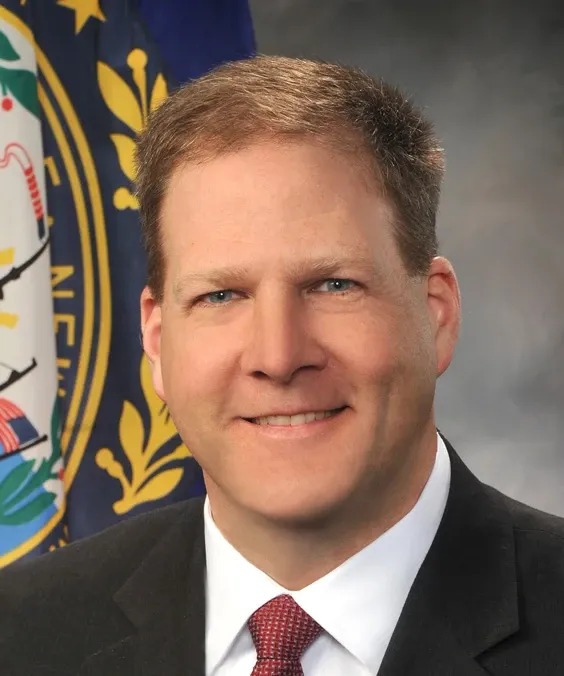
Kelly Ayotte is a former United States Senator from New Hampshire, serving from January 5, 2011, to January 3, 2017. A member of the Republican Party, she was the first woman to represent New Hampshire in the Senate. During her tenure, Ayotte focused on issues such as national security, fiscal responsibility, and education reform. She was known for her bipartisan approach and worked on various initiatives to strengthen the military and improve veterans' services.
I'm specifically interested in what you call the SFIS, which has been in the architecture for several years and is essential for achieving audit readiness.
Most of the business systems DOD has bought are over-budget and have gone long past scheduled delivery.
Doesn't managing to the budget, as the SBR does, focus the FIAR effort mostly on funding in and funding obligated and expended?
Why is DOD not focusing on the balance sheet so we can improve the quality of data captured on what we are buying?
I am concerned that DOD has too much of a budget focus and not enough of a focus on what they are spending the $700 billion Congress has given them.
Secretary Hale, exactly how is that objective necessary for achieving full audit readiness?
Secretary Hale, why shouldn't Congress be alarmed that the simple task of depositing the right money into the right accounts before even spending it cannot now be verified by independent auditors?
Secretary Hale, this sounds simple; why is it that none of the Services--the Departments of the Army, Navy, or Air Force--can do that simple task yet?
Secretary Hale, I have reviewed what you have described as Interim Goals for fiscal year 2011 and fiscal year 2012 in your FIAR plans.
Secretary Hale and Ms. McGrath, please provide a rough order of magnitude of how much could be saved--in terms of dollars and personnel--by this approach vis-a-vis DFAS?
We are interested in the idea that we can reduce the DFAS footprint and direct any savings realized into both increased capability for our military and, possibly, debt reduction.
Why is DOD buying ERPs without deliverables for ensuring these systems can pass an audit?
We are concerned that DOD is spending billions of dollars on new state-of-the-art systems but in the end these systems will not be able to provide it with the compliant processes and adequate controls needed to achieve an audit opinion.
What does this mean to all the strategies in the FIAR plan that says these new systems are so essential to audit readiness?
How can DOD cite the implementation of this ERP as a success given this reality?
Overall, we are going to have to make some tough choices around here, no matter what the deficit plan that goes forward.
What problems, if any, have you had in convincing folks in DOD to get on board?
As the DCMO, you are leading the transformation of business operations across DOD.
I couldn't agree more that this short-term funding is not the best way to fund a government, nor is it the best to deal with the fiscal crisis that we face.
I think what that report showed is that the reconstruction money, defense dollars, are particularly susceptible to waste, fraud, and mismanagement.
Senator Ayotte's point about auditability as a means to an end of good stewardship is, I think, right on target.
Politicians like Kelly Ayotte