Jan 30, 2013
We need to make sure that Israel is able to respond capably with the weapons that enable them.
The Public Record
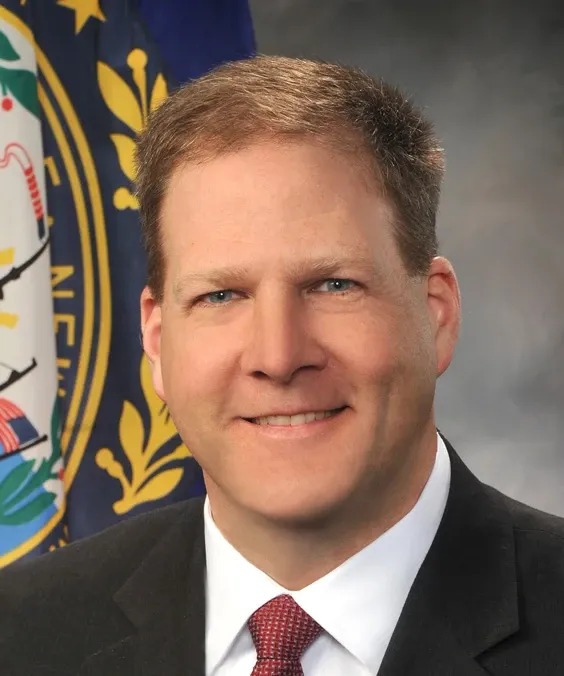
Kelly Ayotte is a former United States Senator from New Hampshire, serving from January 5, 2011, to January 3, 2017. A member of the Republican Party, she was the first woman to represent New Hampshire in the Senate. During her tenure, Ayotte focused on issues such as national security, fiscal responsibility, and education reform. She was known for her bipartisan approach and worked on various initiatives to strengthen the military and improve veterans' services.
We need to make sure that Israel is able to respond capably with the weapons that enable them.
Do you believe it's important that Israel maintain its qualitative military edge over any potential adversary in the region?
I would also express the hope, to the extent you weigh in on these issues, that they would, the administration, would seek to go through Congress on these types of issues.
I think it's very important for us to understand what their posture is on existing arms agreements right now.
I think in many instances they have as much the blood of some of the Syrians that are being murdered on their hands as the Assad regime.
Over the last 10 years, we've seen that the Reserve component can be a very capable resource.
In a constrained resource environment, the Reserve component gives the Department a unique opportunity to preserve overall operational capability and mitigate risk at reduced cost.
I believe it would be breaking faith with our troops if we welcome home well-performing troops by handing them a pink slip.
Taking $46 billion again at this point in the year is not going to stop the impact on our national security.
I had Chairman Dempsey here less than a week ago and he told me on a scale of 1 to 10, it was a 10 in terms of our national security.
When you take that kind of reduction, particularly in the civilian workforce, there will be an impact on readiness.
I look forward to working with you on this. This is a way we can make sure that taxpayer dollars do not go in the wrong hands.
I plan to work with Senator Blumenthal to introduce legislation to give you additional tools to cut off funds to our enemies.
I had the privilege of visiting Afghanistan in January and meeting with Major General Longo.
I think that it is an important issue as we look at the fiscal challenges facing the country.
If General Dunford told you that he believes the pace of the withdrawal is jeopardizing our interests and a positive outcome in Afghanistan, would you support his request to slow the pace of withdrawal?
I think that's a challenge that we face in that area, and particularly with what we talked about, with the arms that are still flowing in that area.
The security decisions that get made by the Department of State have to be well informed by the Department of Defense.
So, we still really need to get much tougher on these arms. This is a dangerous situation...
If we get to a number that's so low that we can't protect our own troops, I'm going to be very concerned about that.
Senator McCain asked you about the 34,000 withdrawal that the President announced the other day.
The recommendations that you provided, and the number that was ended up, that Senator McCain just asked you, was that number significantly below what you recommended?
It was reported, at the time, that your recommendations were between 14,000 to 18,000 troops. Was that accurate?
I look forward to working with him, and look forward to your commitment to make sure that we can give you all the tools that you need.
Here is what is troubling me. You have testified before this committee today that you have never been for unilateral nuclear disarmament; in other words, unilateral actions by the United States of America.
Politicians like Kelly Ayotte