Mar 8, 2016
I just wonder if you can talk about the importance of public engagement in siting and permitting these kinds of energy projects.
The Public Record
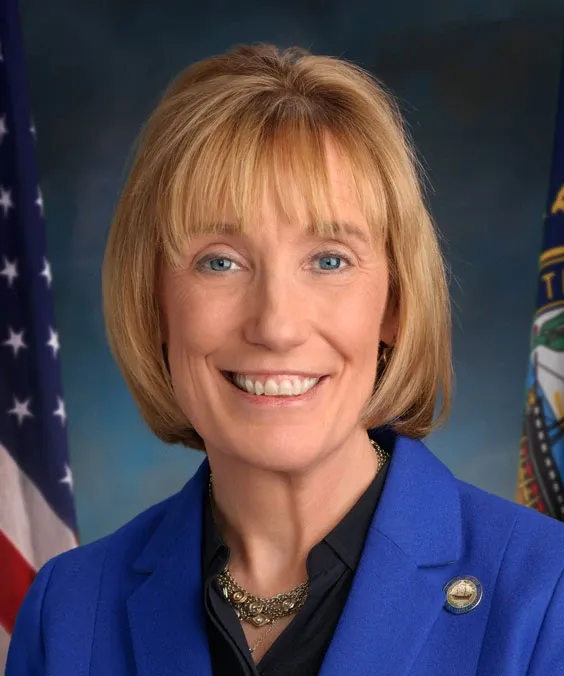
Jeanne Shaheen is an American politician serving as the senior United States senator from New Hampshire, a position she has held since January 3, 2009. A member of the Democratic Party, she is the first woman to be elected governor of New Hampshire, serving from 1997 to 2003. During her tenure in the Senate, Shaheen has focused on issues such as healthcare, education, and national security, often advocating for policies that support working families and promote economic growth.
I just wonder if you can talk about the importance of public engagement in siting and permitting these kinds of energy projects.
I think that you will agree that the country is currently witnessing significant transformations in our electricity production.
One of the things that for many of those small businesses that has been very helpful has been their ability to be more energy efficient and to access assistance with that energy efficiency.
So you are working with the Justice Department, obviously with DEA. Are you also working with our military as you are looking at those kinds of networks and trying to disrupt those?
Sure, but it does not get us to the bottom line that we are trying to achieve.
I wonder if you could talk a little bit about those discussions and how you discuss managing the flow of refugees fleeing ISIS and Assad.
What we have seen in 2014 is 47,000 Americans died from opiod and heroin overdoses.
Obviously, this is an issue that we have a great deal of concern about in the Northeast because trafficking is a very big issue.
I would say, though, I would echo what Senator Tester said because in northern New Hampshire where we have a point of entry, those jobs, there is a lot of interest in those jobs.
I am optimistic, particularly as I said earlier, that the men and women of ICE are our number one asset, and we know we cannot get the work done without them.
Can I just clarify, so was much of the discussion there about those kinds of interviewing practices and how to determine which refugees might be able to relocate in the United States or other parts of the world and how much of it was…
So can you talk a little bit about what the follow-up to signing these agreements will be?
And do you expect additional costs in the budget as the result of these activities?
Along with the Transportation Security Administration (TSA), CBP is really the face of homeland security.
I did see the nightly news program that showed the use of forces on the southern border, which I thought was a very positive view of CBP and its efforts to be creative, so I do applaud that.
I would applaud those efforts. I think those are the kinds of efforts that the agency does that the public does not often recognize, and so it is important to provide that kind of protection.
I just have one last issue that I want to raise because this came up at a hearing last month before the Senate Special Committee on Aging.
I want to go back to my initial comments in my opening statement about the challenge that States throughout the country are facing with respect to the heroin crisis.
So I know that the unemployment rate has gone down, and we all, I think, would agree that that is a good thing, but we still have a significant number of people who are no longer looking for work, who do not have the job skills that are…
I know that the Broadcasting Board of Governors is designated as an independent agency, but clearly, they are doing work that is very important to this effort.
So do we have any recent success stories that we can speak to, or specifics about how this is actually getting it done?
I hope they would look at the science and recognize that this is a very important issue.
Politicians like Jeanne Shaheen