May 9, 2018
Are you concerned, Mr. Secretary, that the addition of this kind of a question on citizenship status will reduce the accuracy of the census?
The Public Record
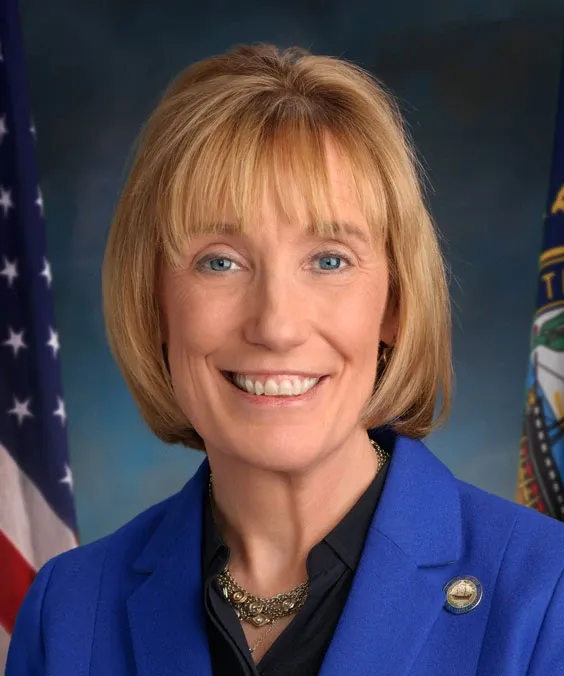
Jeanne Shaheen is an American politician serving as the senior United States senator from New Hampshire, a position she has held since January 3, 2009. A member of the Democratic Party, she is the first woman to be elected governor of New Hampshire, serving from 1997 to 2003. During her tenure in the Senate, Shaheen has focused on issues such as healthcare, education, and national security, often advocating for policies that support working families and promote economic growth.
Are you concerned, Mr. Secretary, that the addition of this kind of a question on citizenship status will reduce the accuracy of the census?
There is a great deal of concern that adding this question is going to lead to a drop in participation, particularly among immigrant communities.
I want to go back to the concerns that I expressed in my opening statement about the addition of the citizenship status question on the census.
I am concerned, given the current political climate, that some communities will refuse to participate and that this is going to affect the accuracy of the count.
I will say, I was very disappointed that the Department decided to include a citizenship question as part of the 2020 Census.
I worry that the President's fiscal year 2019 budget proposes to, once again, eliminate crucial economic development and manufacturing programs.
I hope we are not going to do that in a unilateral way that causes an unnecessary trade war with our allies.
I continue to be concerned by the Department's proposal to increase the availability of so-called 'short-term, limited-duration insurance plans' that are not required to meet consumer protection and comprehensive coverage requirements…
The CDC is the best science-based, data-driven agency in the world. We should be using them.
I am really troubled that greater proportions of women in this country are now dying of pregnancy-related complications.
The bipartisan Commission on Evidence-Based Policymaking, which was established by myself and Speaker Paul Ryan, highlighted the TPP program.
I don't understand why we are fooling around with something that's been working to address the issue of unplanned pregnancy.
It's not just an issue for families who can't afford drugs, particularly senior citizens, but also in terms of driving up the cost of healthcare.
I believe there is a correlation between what's happening with the cost of insulin, and our failure to negotiate with pharmaceutical companies.
I have been very concerned about making sure that the small States like New Hampshire, like West Virginia... are able to get help because of the overdose rate.
Making sure that we can manage without having people go into diabetic episodes that require hospitalization and other more severe treatments is in the economic interest of the country
The cost of insulin is now becoming prohibitive for so many families who need that to stay alive.
It seems to me that this goes in the wrong direction, that instead of opening things up to provide more innovation and more access, what we're talking about is closing things in a way that reduces access, reduces innovation, and that's not…
I'm pleased that we'll have it as part of the record of the Small Business Committee and look forward to working to address both what the FCC has done and to think about how we can do bipartisan legislation that will really provide some…
The biggest argument that I've heard for repealing net neutrality has been that, well, it will provide for more innovation.
If we don't want the exodus of all our young people to urban areas, this is something really important to consider.
Yes, it does, and we also don't really know what all those implications are, as many of you have said.
Politicians like Jeanne Shaheen