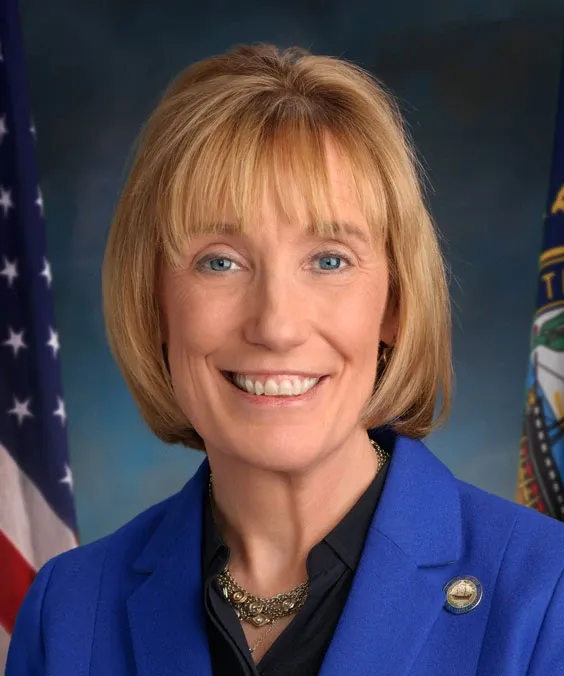
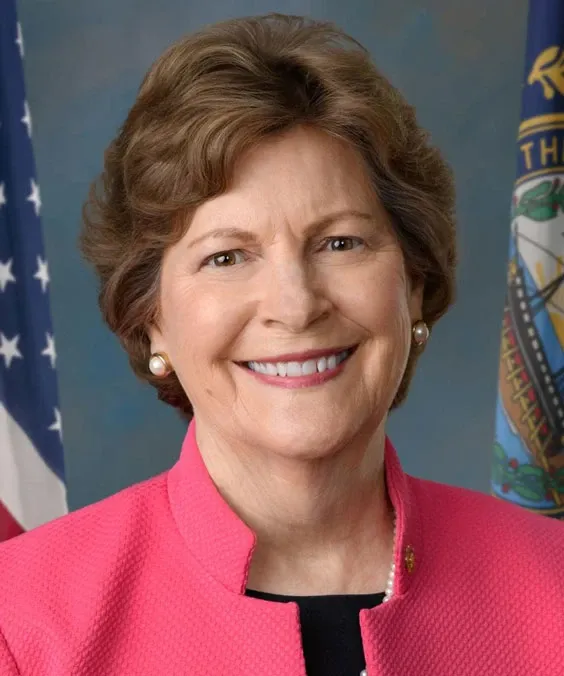
Today, as we mark Equal Pay Day, we face the alarming reality that women still earn just 77 cents for every dollar earned by a man. As a Nation, we must do better than this. Women in my State of New Hampshire who work full time earn over…
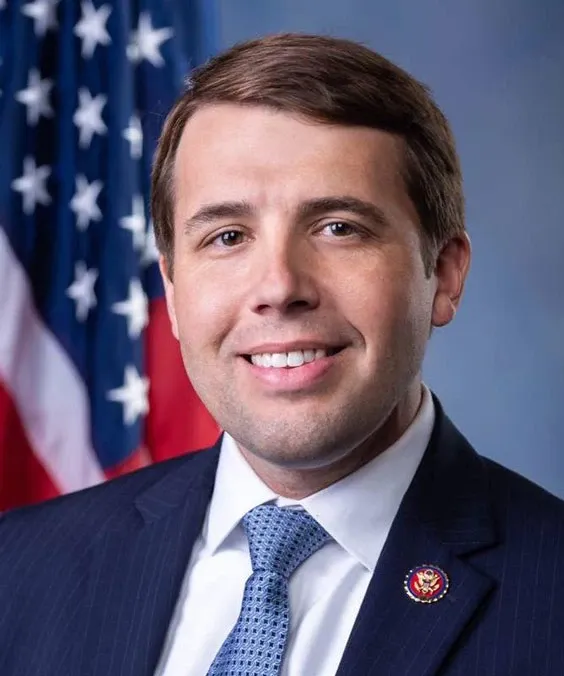
Annie Kuster
The Public Record
Annie L. McLane Kuster is an American politician serving as the U.S. Representative for New Hampshire's 2nd congressional district since January 3, 2013. A member of the Democratic Party, Kuster has focused on issues such as healthcare, women's rights, and economic development throughout her tenure in Congress. She has been an advocate for expanding access to affordable healthcare and has worked on initiatives to support small businesses in her district.
I am hopeful, and it sounds as though the Committee does have measures that we can all agree on to alleviate the burden.
Now, part of my district is very rural. So rural, in fact, that we are still on dial-up in this day and age.
Poorly thought out regulations can all too often have the opposite impact, creating uncertainty and stifling economic growth.
we are concerned that those who live in rural communities have to pay more for less.
It is the responsibility of government to foster the conditions for small businesses to grow to higher and to succeed.
And so we have shared this report with the FTC and those who oversee broadband to let them know that our nation, those who want to live in rural communities, must be able to get access to affordable and accessible broadband because it…
I am excited to join this Subcommittee and bring a New Hampshire perspective for the first time in 70 years.
I can attest to the recreational opportunities, and certainly for us, tourism is our number one industry.
Because the Congress refuses to compromise, across-the-board spending cuts known as the sequester--and uncertainty around the Federal economy and the budget--are casting a cloud over our entire economy. In New Hampshire, we are already…
Will there be impacts on individual farm bill conservation programs under the sequestration, and is there enough funding to pay out our existing obligations under the contracts that are in force right now?