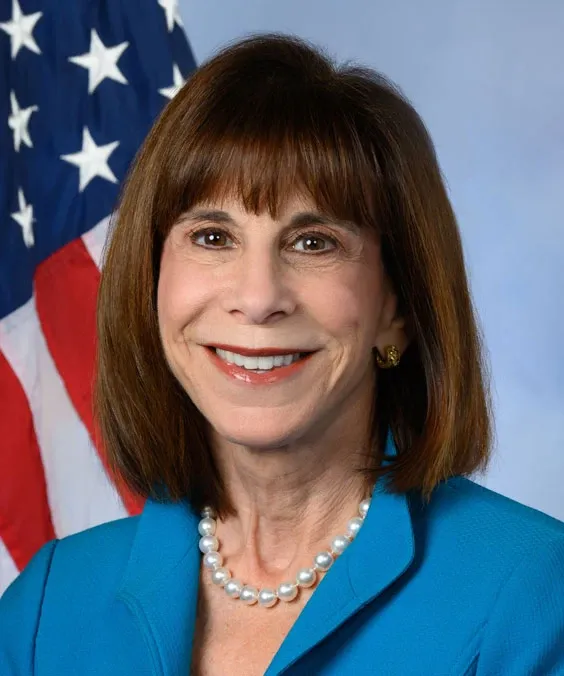
G. K. Butterfield
The Public Record
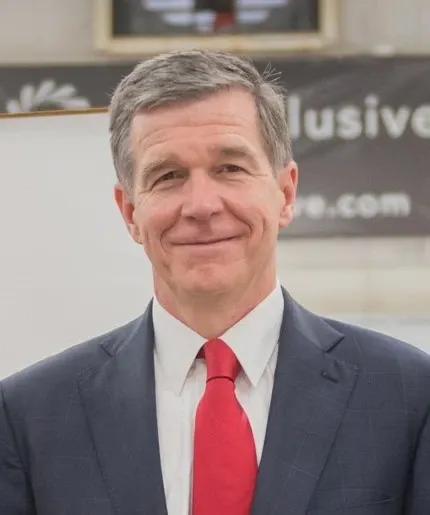
G. K. Butterfield is a Democratic politician from North Carolina, born on April 27, 1946. He served as a member of the U.S. House of Representatives, representing North Carolina's 1st congressional district from 2004 until 2022. During his tenure, Butterfield focused on issues such as healthcare, education, and civil rights, advocating for policies that support underserved communities. He has been a prominent voice for African American representation in Congress and has served in various leadership roles within the Democratic Party. Butterfield's career in public service also includes time as a judge and a member of the North Carolina Utilities Commission.
Nov 17, 2011
We essentially have that kind of prohibition now. And we will have a better handle on the situation if we legalize it and regulate it than if we leave the current situation as it is.
Nov 17, 2011
I think when it comes to prevention and treatment, or certainly prevention and research, that we have not seen the States step up to the level that they have or that governments have in other countries around the world.
Nov 17, 2011
But we can deal with it much better if it is legal, if it is regulated, if it is understood.
Nov 17, 2011
Both bills that we are talking about here today seek to prevent children from accessing gambling sites, and that is certainly a good thing and we can all agree on that.
Nov 16, 2011
We strongly urge Congress to correct this oversight quickly by permitting the $17,500 upper limit without deference to an in-state tuition rate for out-of-state Veterans seeking a higher education at public institutions.
Nov 3, 2011
Before I start, Mr. Speaker, let me just take a moment to comment about one of the previous speakers this morning, my dear friend, Congresswoman Barbara Lee from the State of California. Congresswoman Lee has been an advocate for…
Oct 24, 2011
Simply put, treatment works. It is an investment that pays for itself many times over.
Oct 24, 2011
those who legalize, regulate, promote, and profit from gambling have an ethical and an economic imperative to minimize the social cost of gambling addiction.
Oct 24, 2011
I am only interested in game attributes or marketing practices that have the potential to mislead, deceive, or confuse.
Oct 24, 2011
I thank Representatives Barton, Schakowsky, Pitts, Whitfield, Campbell, Frank, and many others who are current or former sponsors of this legislation.
Oct 24, 2011
An important and cost-free first step is to cut social costs by designating a lead Federal agency on problem gambling.
Oct 24, 2011
I am beginning to understand that it could provide a great boost to our national economy and it could provide a boost for Federal and State coffers.
Oct 13, 2011
Let me thank the Speaker for yielding time to me this morning. As I begin my remarks, Mr. Speaker, I just want to make a brief remark about one of the preceding speakers, Congresswoman Barbara Lee from Oakland, California, who has been an…
Oct 12, 2011
Social networking sites like Facebook have made it possible for Internet users to share the details of their lives.
Oct 12, 2011
I think we are all well aware that a lot of free content available on the Internet is made possible by advertising, all types of advertising, not just behaviorally targeted advertising.
Oct 12, 2011
Mr. Butterfield actually mentioned earlier that the online behavioral advertising industry in this year alone represents a $30 billion economy, and that is growing.
Oct 12, 2011
Many in the Internet tracking industry argue that steps to empower consumers to decide for themselves whether they want to allow tracking of their online activity will kill free Internet content. I, for one, do not buy this argument.
Oct 12, 2011
This forum provides an opportunity to look at expectations and attitudes about privacy from a consumer's point of view.
Politicians like G. K. Butterfield