Apr 22, 2015
What can States like Mississippi do to ensure that they are able to access Federal funds across your Department for the advancement of their innovative healthcare models?
The Public Record
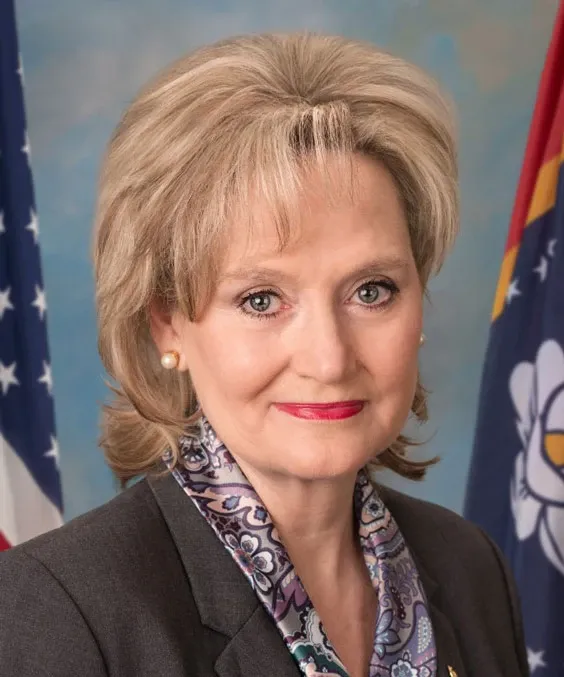
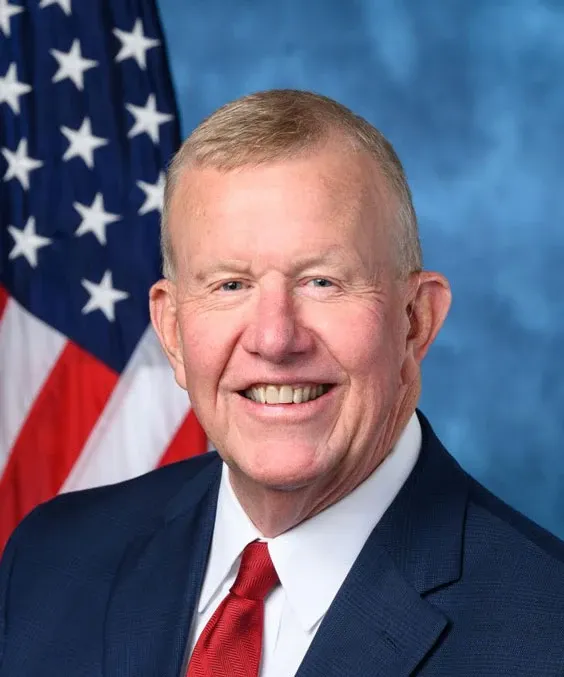
Thad Cochran is a former United States Senator from Mississippi, serving from 1973 until his retirement in 2018. A member of the Republican Party, Cochran was known for his work on appropriations and his focus on issues such as education and healthcare. Throughout his tenure, he played a significant role in securing federal funding for various projects in Mississippi, including infrastructure and education initiatives. Cochran was also involved in discussions surrounding autism awareness and medical education, reflecting his commitment to health-related issues.
What can States like Mississippi do to ensure that they are able to access Federal funds across your Department for the advancement of their innovative healthcare models?
We are very grateful for your cooperation, along with that of our distinguished staff member team, which is the best in the Senate.
We appreciate very much your assistance in helping us identify the priorities of NASA and related activities.
I am very pleased to join you and other members of this panel to discuss with the Department of Homeland Security experts here what we should know about cybersecurity.
Your request for fiscal year 2016 included almost $7 million in contingency funds for future emergency repairs.
I was looking through the notes that I have been given by my staff before the hearing, and we had been advised that there was serious consideration given to placing in some Mississippi reservoirs a repository for nuclear waste.
It occurs to us that there are inevitably going to be costs imposed on landowners and others, state governments, on and on.
We have money that is available and can be spent and is authorized for funding in the Yazoo River basin in Mississippi.
Mr. Secretary, we appreciate your leadership, and we know you've got a lot of jurisdictional area that's affected by the appropriations bill.
Why the administration has reduced its request for funding for people who will be used at the Department to help producers comply
I think you have done an excellent job in outlining the issues that we need to be aware of.
If sequestration is implemented in fiscal year 2016, it will damage our national security.
In closing, then, let me thank our distinguished panel of witnesses for your testimony.
In light of this deficiency, do you believe it would be wise to accelerate the build plan of certain amphibious ships?
I join you in welcoming the distinguished Secretary to our hearing and I am looking forward to working with her.
I also want to support especially the Gulf of Mexico energy security legislation allowing Gulf States to receive specific portions of the revenues.
We appreciate very much your assistance in helping us identify the priorities of NASA and related activities.
The administration has requested $225 million for MR&T, which is far below the amount Congress had annually provided over the last 30 years.
I appreciate the good work conducted by these agencies, and I look forward to learning more about their fiscal year 2016 funding needs.
I question the level of priority this administration is placing on our Nation's critical infrastructure.
Without adequate funding, the Corps cannot perform these functions effectively, which would result in greater risk of catastrophic flooding and adverse impacts on our Nation's economy.
The Yazoo Backwater projects in the Mississippi Delta region are also going to be subjected to substantial cuts.
Politicians like Thad Cochran