The Energy Independence and Security Act of 2007 is a de facto ban on the plain old lightbulb that Americans have known a long time. It's the incandescent bulb. And this de facto ban essentially says that all the new lightbulbs have to be these mercury vapor fluorescent lightbulbs. But the point, though, is don't we trust our constituents to pick the kind of lightbulb that they want? I'm just wondering if there's anybody in this Chamber who wants to stand up and vote and say, I'm going to tell my constituents what kind of lightbulb they ought to buy. I mean, lightbulbs are used in a lot of different contexts, a lot of different situations; and if people want one of those mercury vapor bulbs that's got good efficiency, fine, let them buy one.
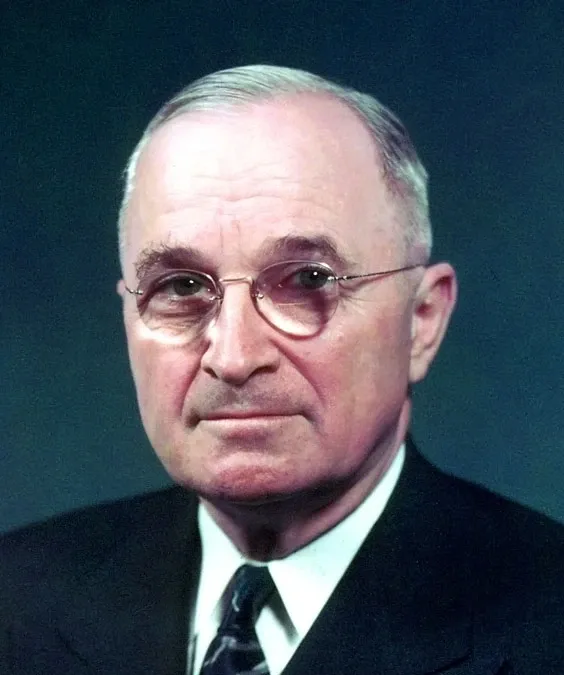
W. Todd Akin: “The Energy Independence and Security Act of 2007 is a de facto ban on the plain old lightbulb that Americans have known…”
Editor's note · Context
The speaker discusses the implications of the Energy Independence and Security Act of 2007 on lightbulb choices for consumers.
Share
More from W. Todd Akin
I am a huge state's right guy, but the military is a federal thing and that is why I think it should be there.
I know the party voters took a look at our hearts, understood who we were, had a chance to meet us in many, many different ways, and made a decision, and it makes me uncomfortable to think that the party bosses are going to dictate who…
Given that the new defense strategy focuses on only executing 1 major contingency operation, why would it not be prudent to keep at least 38 C-27Js, or more to reduce the assessed risk, in the inventory to meet warfighting requirements…
The 2010 Quadrennial Defense Review concluded that the effective use of the Guard and Reserves will lower overall personnel and operating costs.