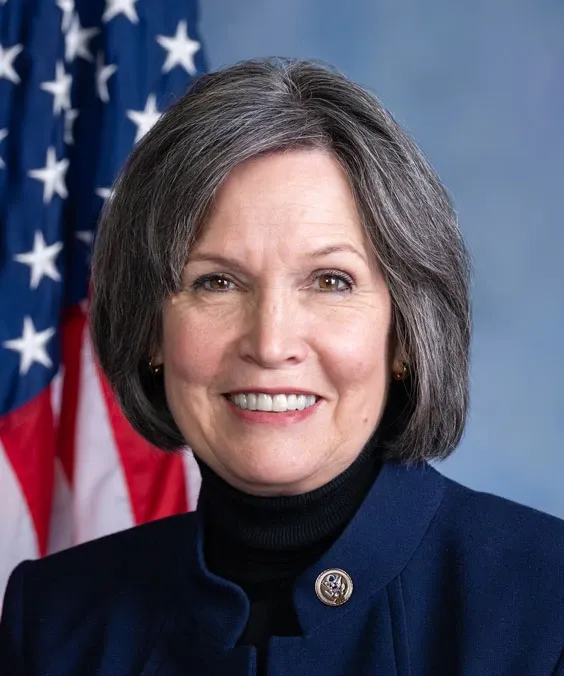
Sep 30, 2009
Our Nation's transportation infrastructure must be a top priority, with all the stakeholders working together to build a transportation network of the 21st century.
The Public Record
Jim Oberstar is a former Democratic member of the U.S. House of Representatives, serving Minnesota's 8th congressional district from 1975 to 2011. He was known for his work on transportation and infrastructure issues, playing a key role in the development of the nation's transportation policies. Oberstar served as the chairman of the House Transportation and Infrastructure Committee, where he advocated for improvements in highways, public transit, and aviation. His tenure was marked by a focus on enhancing safety and efficiency in transportation systems across the country.
Our Nation's transportation infrastructure must be a top priority, with all the stakeholders working together to build a transportation network of the 21st century.
Your advocacy for more investment in areas of greatest need is provided for and required in the Act.
I said this stimulus program is going to pass, it has the support of the President Elect and we intend to move it.
This is the vision of President Obama and Vice President Biden to get America into the high speed passenger rail business.
I really don't have any sympathy for States at this stage who come in and say, well, we didn't know this was happening. Baloney.
In our surface transportation authorization bill we do exactly that, we provide the means, the structural means by which we can be intermodal.
In our authorization bill, we listened to the various transit agencies across the Country who are concerned about their operating expense and their capital account.
It was Mr. Cummings, Mr. Secretary, who was the inspiration for the bonding idea based on a prior experience with the State of Maryland.
We turn it on its side and have them all provide authority for all of the permitting entities to act concurrently, rather than consecutively.
we require in the law that priority be given to highway and transit projects and wastewater treatment projects, to areas of highest unemployment.
We are going to advance this process and cut from 14 years to 3 years the time it takes to do a transit project.
That number is 123,000 in direct jobs as the end of September created on highway and bridge and transit projects, and another 80,000 in the supply chain for 200,000.
I think there is a lesson here. It is going to take much longer for the private sector to enjoy recovery.
I have said several times that what we need is not a council of economic advisors, but a council of engineering advisors to get the Country back on track; get those economists, put them off in a corner someplace.
Their employment has increased 40 percent because of recovery, even with this layoff.
I know of no agency, perhaps the CIA, where it is harder to get into than the Department of Transportation.
How are we able to allow the DOT to continue to have a stricter protocol than in the building where you are now sitting?
We hope that the bill will recognize what the Chesapeake Bay Executive Council has adopted as a new methodology.
We also must acknowledge that the jurisdictions making up the watershed, some are rural, others are urban in nature, and perhaps we need to look more broadly at that very, very significant investment.
Politicians like James Oberstar