Jan 21, 2009
$150 billion in energy, you could build enough wind and solar generation farms.
The Public Record
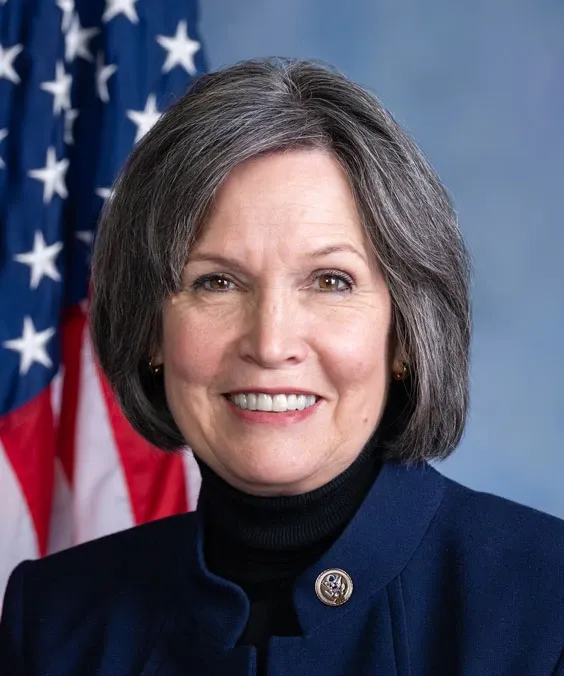
Jim Oberstar is a former Democratic member of the U.S. House of Representatives, serving Minnesota's 8th congressional district from 1975 to 2011. He was known for his work on transportation and infrastructure issues, playing a key role in the development of the nation's transportation policies. Oberstar served as the chairman of the House Transportation and Infrastructure Committee, where he advocated for improvements in highways, public transit, and aviation. His tenure was marked by a focus on enhancing safety and efficiency in transportation systems across the country.
$150 billion in energy, you could build enough wind and solar generation farms.
We didn't have that participation 60 days ago, or 30 days ago, or 20 days ago. But now the reality has set in.
We strongly support the inclusion of $2 billion in transit operating assistance as part of the stimulus package.
A national photovoltaic procurement program could generate significant economic results almost immediately.
We are going to hold the States and the cities and the rest of the recipients of these funds, we are going to hold their feet to the fire on this.
the goal of the economic stimulus is when we walk away, new people will be working.
Congress should adhere to the following principles. Earmarks as we know them should be limited, except when the criteria that are in the law are met.
I am disappointed that we have this much money that we are doing in infrastructure.
You place orders for transmissions, you place orders for brake assemblies, for air conditioning, for the steel framework for your bodies.
$165 billion would build out the entire high-speed rail system for all 11 designated quarters.
There is now language in the stimulus initiative that builds on the provision of the current surface transportation law that provides $20 million for transportation and technology training under the DBE provisions of current law.
If we hadn't had Metro, they could have used 10-car trains, 8-car, and normal 6-car trains.
In what is left of the rail funding, we had $5 billion in our proposal; that has been cut to a billion.
You certainly don't want it stimulating Bangladesh, as this economy has been doing for a long time.
On $1 billion of investment, you will pay $180 million in taxes to the Federal and State governments.
Instead of paying them for not working, through unemployment compensation, we will be paying them to work.
Rebuilding America's infrastructure is a challenge worthy of our greatest effort. It would be a tremendous accomplishment that would pay dividends to our children and our grandchildren for years to come.
It does not make a great deal of sense for transit agencies, on the one hand, to buy new buses and, on the other hand, to lay off workers from their existing workforce.
The specific language, sayeth the gentleman, is 'As part of this certification, the Governor shall submit to the covered agency...'
So of the $9 billion that remains, we started with $12 billion and we are down to $9 billion for transit.
Politicians like James Oberstar