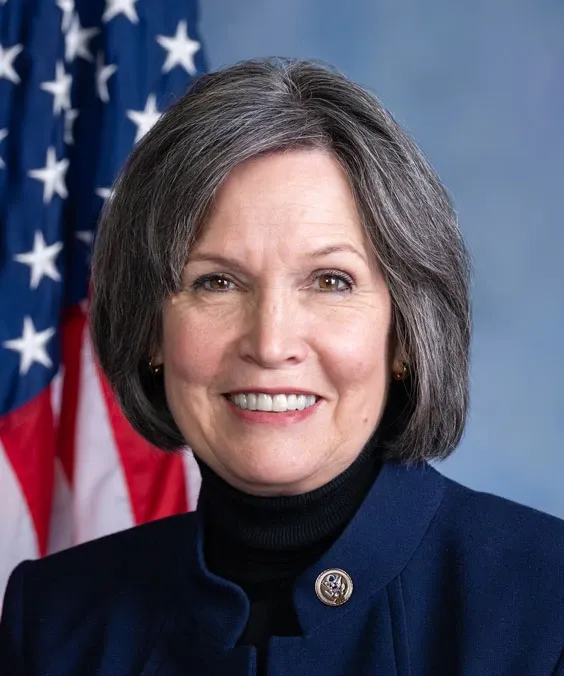
James Oberstar
The Public Record
Jim Oberstar is a former Democratic member of the U.S. House of Representatives, serving Minnesota's 8th congressional district from 1975 to 2011. He was known for his work on transportation and infrastructure issues, playing a key role in the development of the nation's transportation policies. Oberstar served as the chairman of the House Transportation and Infrastructure Committee, where he advocated for improvements in highways, public transit, and aviation. His tenure was marked by a focus on enhancing safety and efficiency in transportation systems across the country.
May 13, 2009
I am committed to maintaining a safe and healthy workplace for all American workers, including those in the hazardous material industry.
May 13, 2009
I am very familiar with the risk in the air. I have spent 25 years working on it.
May 13, 2009
We are here to find the answers. I do not want the how-to's and the whatevers.
May 13, 2009
Shouldn't ground handlers have particular training and guidance and direction and management in the handling of such cargo?
May 13, 2009
Safety is the essential element of transportation, and it has been the constant vigilance of this Committee over all of its years that I have served here, and that is a long time.
May 13, 2009
Weakening the authority of OSHA would result in real life-or-death consequences for American workers in such a high-risk industry.
May 12, 2009
The Teamsters strongly support the language in H.R. 915, authored by Chairman Jim Oberstar.
May 4, 2009
my intention is to make these funds mandatory of the States in the next Transportation and Infrastructure reauthorization bill
Apr 29, 2009
So if you have an acidic environment that is conducive to absorbing these oxy-anionic materials and making them available, then, to uptake in plant, then you have a higher likelihood of toxic effect on humans, at the top of the food chain…
Apr 29, 2009
For me, the issue is not whether the material is toxic or hazardous, but that it is behind a retaining structure, a levee or a dam; and the issue of hazard, I think, can be very simply answered.
Apr 29, 2009
there is the risk of seepage. We have those problems all along the Mississippi River from just south of St. Paul all the way to New Orleans;
Apr 29, 2009
A 60-foot high wall of water is hazardous to anything in its path. Whether it is toxic or not is of secondary significance.
Apr 29, 2009
Well, this Committee, many years ago and then more recently, enacted dam safety legislation requiring inspection of dams of all size, configuration, height, and use;
Apr 29, 2009
So, on the one hand, as you have described, the air pollution controls on power plants removed toxic substances from the air and now put it in sludge that is on the ground.
Apr 29, 2009
It seems to me that EPA should have Clean Water Act pollutant discharge regulatory authority for--and to treat any discharge from such facilities that are, or have, point sources.
Apr 29, 2009
I think it would be beneficial to get the Corps back into this picture, however good your private contractor may well be.
Apr 29, 2009
I have been associated with FEMA, its oversight, its structure, its operation for probably 30 years.
Politicians like James Oberstar