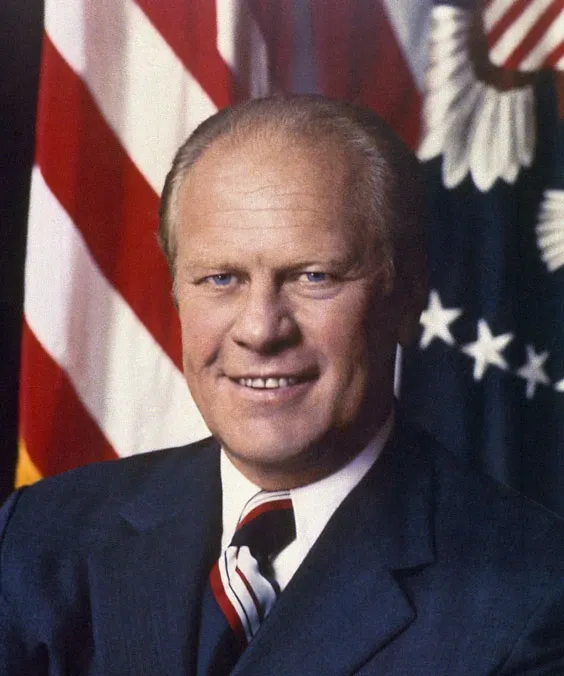
On the recordAugust 1, 2001
I-94 runs east and west through my Congressional Michigan District going into Detroit. This is the auto supply route. Many businesses in this area supply the auto industry. The estimate from General Motors is that we would lose with this amendment 65,000 jobs, Daimler-Chrysler estimates a $35,000 job loss, a total of 130,000. Let me tell you at least partially why this job loss happens. The way we calculate these averages of miles-per-gallon means that some auto imports, for example, have accumulated so many credits that they could actually continue to sell their less-miles-per-gallon trucks and displace our more gas efficient miles-per-gallon vehicles that we are not going to be able to sell because of this amendment. This means fewer sales and less employment. Mr. Chairman, I rise in opposition to this amendment. Since the CAFE standards were implemented in 1978, the market for passenger vehicles has been severely distorted. As a result, today, lights trucks account for over have of the new car market. The American people do not want small under-powered, and unsafe vehicles to transport their family. But under CAFE, there are fewer change cars available as alternatives.
Source
govinfo.gov