John Conyers
The Public Record
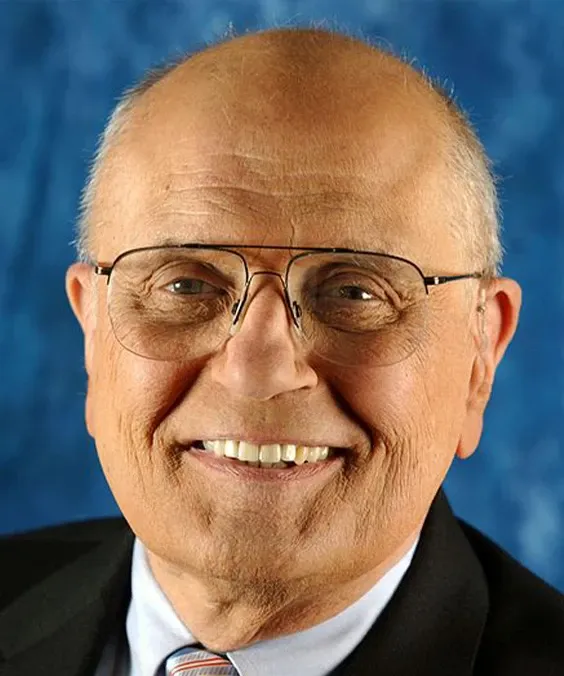
John Conyers was a prominent American politician who served as a U.S. Representative from Michigan from 1965 until 2017. A member of the Democratic Party, he was one of the founding members of the Congressional Black Caucus and played a significant role in advocating for civil rights and social justice throughout his career. Conyers was known for his commitment to issues such as healthcare, education, and labor rights, and he introduced legislation aimed at improving the lives of his constituents and marginalized communities across the nation.
Dec 10, 2009
I just left a press conference of the Congressional Black Caucus, and that is what we were talking about; how do we create jobs and ease this crisis that we are in?
Dec 10, 2009
We passed it in the House. The Senate, as usual, they weren't able to shut off the filibusters, so the bill was withdrawn, and so we are working again.
Dec 10, 2009
This is important to us because, as you are going to testify, the subprime mortgage debacle was what triggered the financial place that we find ourselves in not nationally but globally as well.
Dec 10, 2009
I think you should remain Chairman in the next Congress as well. So ordered.
Oct 26, 2009
In May of this year, the Supreme Court issued its decision in Ashcroft v. Iqbal. The ramifications of this case are enormous.
Oct 21, 2009
We have been in consultation with Chairman Barney Frank, and that both the Judiciary Committee and the Finance Committee are moving together
Oct 21, 2009
I want to say here and now that the resolution authority risks creating a new generation of companies that are too big to fail.
Oct 21, 2009
Small banks failed at a rate not since seen since the savings and loan crisis in the 1980's.
Oct 21, 2009
Why do you have to give these people that caused the problem taxpayer money?
Oct 21, 2009
The government should take some of the blame, but the government didn't plan the risky, risky, unregulated credit transactions.
Oct 21, 2009
Every day, Monday through Friday, every week, 195 families in my city are served with eviction or foreclosure notices because they are behind in their mortgage payments.
Oct 21, 2009
What caused the crisis was the mistaken belief shared by Republican and Democratic administrations in the past that the financial industry could be relied upon to regulate itself without significant government oversight.
Sep 21, 2009
Of course, I mentioned the Sensenbrenner/Conyers PATRIOT Act that got doused in the Rules Committee.
Sep 21, 2009
I want to commend all of our witnesses here today, including Mr. Wainstein, who's been very forthcoming.
Sep 14, 2009
Nevertheless, the use of mandatory provisions in various contractual agreements has rapidly escalated in recent years and, as a result, has become virtually ubiquitous.
Sep 14, 2009
Still others assert that arbitration providers and arbitrators are not always neutral and, in fact, may have cozy relationships with parties on one side of these disputes.
Sep 14, 2009
Others claim that the secrecy of arbitration awards hinders the development of the law, and awareness of wrongdoing by businesses, which ultimately harms all consumers and employees.
Sep 14, 2009
As we have since learned during the last 20 years, however, arbitration is not always beneficial to all parties, and it may eviscerate the protection of some federal consumer and civil rights statutes.
Sep 14, 2009
During the Congressional debates on arbitration more than 70 years ago, witnesses testified about the potential benefits of this form of resolving disputes without judicial intervention.
Sep 14, 2009
I commend Ms. Sanchez, a former Subcommittee Chair herself, for her targeting and focus on one particular area of nursing homes.
Politicians like John Conyers