Sep 27, 2017
Thank you very much, Mr. Chairman. Thank you to each of you for your excellent testimony.
The Public Record
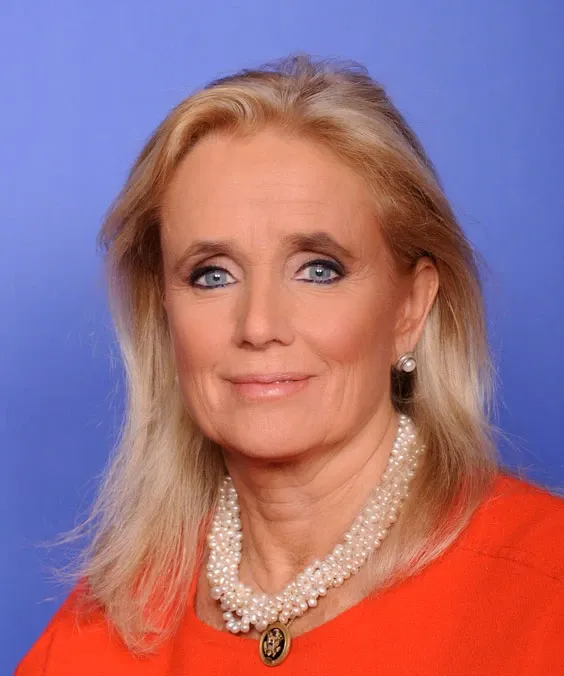
Debbie Ann Stabenow is a United States Senator from Michigan, serving since January 3, 2001. A member of the Democratic Party, she has been a prominent advocate for various issues including healthcare, agriculture, and women's rights. Throughout her tenure, Stabenow has focused on policies aimed at improving access to healthcare, supporting farmers, and promoting gender equality in the workplace. She has also played a significant role in discussions surrounding food security and education.
Thank you very much, Mr. Chairman. Thank you to each of you for your excellent testimony.
If we do not fix that we are not going to see the quality of life that we want in our rural communities.
There is bipartisan concern about making sure we are not cutting back on significant things like rural water infrastructure or small business.
The popular Rural Energy for America Program, known as REAP, helps producers and businesses lower their utility bills.
The economic benefit is twofold--new markets for our farmers, and new jobs and manufacturing opportunities for our businesses.
It is unacceptable that there are small towns that cannot afford to modernize their water systems to provide clean drinking water.
We need to strengthen the tools available to extend high-speed Internet to every corner of the country.
Rural communities are often the first to feel the effects of an economic downturn and the last to see the impacts of an improving economy.
Under this bill, insurers can end coverage of mental health and substance abuse services just like any other essential health benefit.
I wish we were having a markup on the Children's Health Insurance Program, which you and our ranking member and myself and others have introduced, a bipartisan bill that is very important, 9 million children, and we will see CHIP ending at…
We have a very important effort that is going on right now in the HELP Committee, a bipartisan effort with Senator Lamar Alexander, Senator Patty Murray.
We can fix the individual market without gutting Medicaid and taking away individual coverage for people.
Now, I have been using numbers that were not $1 trillion, but now it is $1 trillion in coverage cuts to seniors in nursing homes and children and families.
The truth of the matter is, when we cut down the number of people walking into emergency rooms who do not have insurance... the State of Michigan is saving money.
I hope we can come together and do something that actually does more than a trickle-down tax cut for the top 1 percent.
That means you are incentivizing a new advanced manufacturing facility in Michigan the same way you would be if it was in Mumbai
My concern is, as we are debating right now, various proposals we have seen would actually do away with manufacturing incentives
To keep the tax incentives, they then turn around, the top five companies, and spend a lot of money on lobbying to do that.
Those may have made sense 100 years ago when they were created; they make absolutely no sense now.
Politicians like Debbie Stabenow