Jun 17, 2009
The NCCUSL proposal fails to cure the problem and would create a host of new ones.
The Public Record
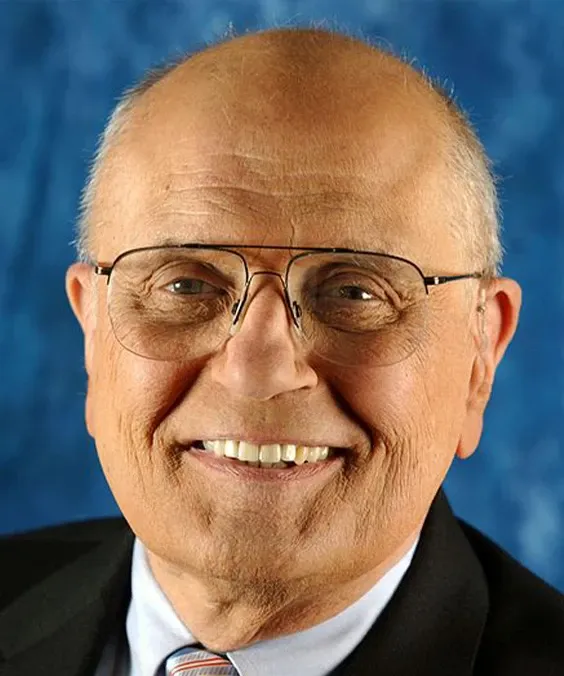
Carl Levin was a prominent American politician who served as a United States Senator from Michigan from 1979 until 2015. A member of the Democratic Party, Levin was known for his leadership on the Senate Armed Services Committee, where he played a key role in shaping U.S. military policy and defense spending. Throughout his tenure, he was an advocate for various issues, including environmental protection and consumer rights.
The NCCUSL proposal fails to cure the problem and would create a host of new ones.
Secretary Stackley, we all know that the Navy will have difficulty affording the shipbuilding procurement programs that will meet our requirements and maintain the 313-ship fleet.
We went to war based on misleading, erroneous information that was passed on by our top policymakers.
The use of coercive techniques in interrogation would increase resistance, would create doubts about the accuracy and reliability of the information obtained, and could be used by enemies as justification for the torture of captured U.S…
I want to get back at the answer that you gave, Mr. Preston, I understand, to Senator Feingold about whether or not specific techniques represented torture or not.
Among the differences is that obviously one voluntarily enters into SERE training.
I thank you again, Mr. Chairman, for holding this hearing and hope that this can proceed expeditiously.
The support of Directors under Presidents of both parties for this position.
This approach to contract management appears to be contradictory to every lesson that the Department of Defense has learned in the last decade.
Would design and construction on new facilities... have to stop to allow the NRC to develop standards?
How will the NRC improve operational nuclear safety in older unlicensed facilities?
One of the elements in the joint U.S.-Russian initiative is a recommended effort to increase decision time for the Russian President or the U.S. President before launching a retaliatory launch.
Our number one goal should be to prevent Iran from getting that nuclear weapon.
The prevention of Iran getting missiles or nuclear weapons in the first place has to be our Number 1 goal.
I think our Government can't just simply leave it up to the private shippers without a recommendation.
It was too painful politically either to force them to cut the procurement quantity or to budget a high funding number.
I want to be on record as saying that the soldiers themselves, many of them have fought hard in the western regions of Pakistan.
I need to, as far as this one vote is concerned, to believe that those goals not only are at the top, but have sufficiently permeated the down-below elements of the Pakistani Government and military so that the aid would be effective.
I believe the British Prime Minister spoke about the importance of that in his speech to the Congress this morning about taking a leadership role in getting the G20 group of countries to come together to take on these secrecy laws.
Politicians like Carl Levin