Mar 31, 2014
And then would that not have an ongoing tax impact to Caterpillar because CACO is in the United States?
The Public Record
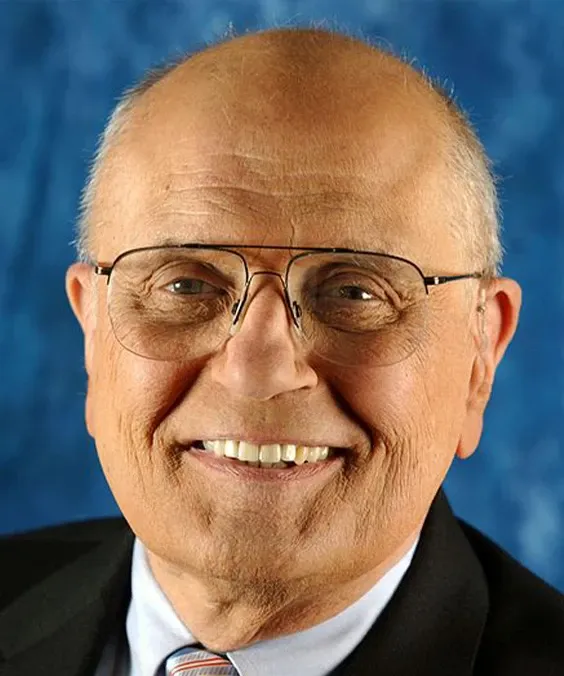
Carl Levin was a prominent American politician who served as a United States Senator from Michigan from 1979 until 2015. A member of the Democratic Party, Levin was known for his leadership on the Senate Armed Services Committee, where he played a key role in shaping U.S. military policy and defense spending. Throughout his tenure, he was an advocate for various issues, including environmental protection and consumer rights.
And then would that not have an ongoing tax impact to Caterpillar because CACO is in the United States?
I understand, but these were basically the same intangibles, were they not, that you had previously described as CSARL intangibles?
Is there any rational company that would give up 85 percent of ongoing profits in a business that has been highly profitable?
I have to agree with Senator Portman about the need for the tax code to be totally reformed.
Regardless of how many taxes you currently pay or do not pay, that must be met.
Now, is it fair to say that you and Mr. Williams helped design and implement this strategy from the very beginning in 1999?
So that your tax strategy--the Caterpillar tax strategy was a result of a PwC GTOP effort. Is that correct?
All right. Thank you so much, and thank you again for being here and your cooperation with our Subcommittee.
OK. And the key contacts in Caterpillar for you were the people in the company's Tax Department. Is that correct?
If the value of the CACO transfer was treated the same as CSARL's intangibles were, as claimed by Pricewaterhouse, doesn't that create a huge tax liability?
The U.S. parent asserts, could assert that because the risk has been transferred, the offshore affiliate is entitled to the lion's share of the business profits.
I think the explanation--someone else, if they want, can ask you for it, but I am asking what was said at the time about these intangibles.
I am just asking you would they accept that with a non-related company, an arm's-length transaction?
We have developed a strategy that we believe will achieve tax optimization for Caterpillar.
Thank you very much, Mr. Quinn. We understand you are giving the statement for all three. Is that correct?
Would you have transferred all that, all of that that was in the licensing agreement to anybody but a related party?
Ultimately it is owned by Caterpillar Inc., but every government in the world expects us to report by legal entity.
Politicians like Carl Levin