Jun 16, 2014
Many, including this Senator, question whether the rise of high-speed trading is, overall, a good thing for markets and investors.
The Public Record
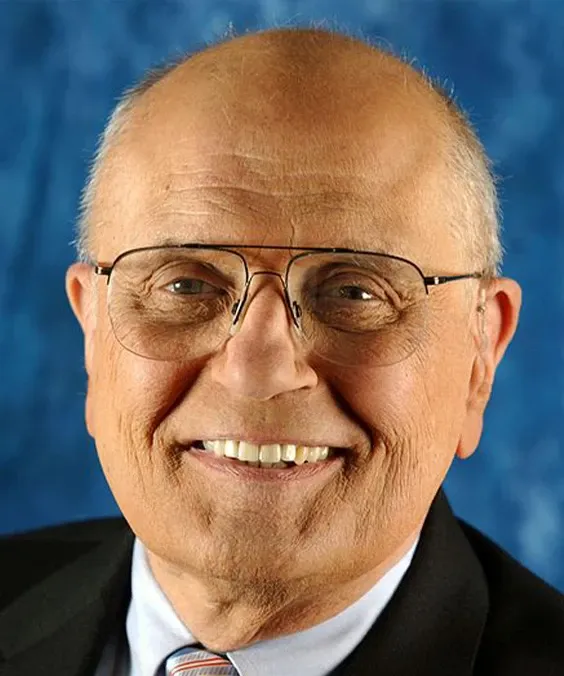
Carl Levin was a prominent American politician who served as a United States Senator from Michigan from 1979 until 2015. A member of the Democratic Party, Levin was known for his leadership on the Senate Armed Services Committee, where he played a key role in shaping U.S. military policy and defense spending. Throughout his tenure, he was an advocate for various issues, including environmental protection and consumer rights.
Many, including this Senator, question whether the rise of high-speed trading is, overall, a good thing for markets and investors.
Why not urge your members to give people that option in their policy? That is all I am saying.
Why not give them a third option, an opt-in option to opt in on the type of special interest advertising that you might be interested in?
But they are not required to eliminate the data they have already collected----
The Commission continues to reiterate its longstanding, bipartisan call for enactment of a strong Federal data security and breach notification law.
I happen to very much agree with his comments and with the thrust of this report.
Is there any reason why you cannot ask consumers whether or not they prefer an opt-in or an opt-out approach?
So then if you eliminate all your cookies, nonetheless the opt-out will still function.
In other words, if you opt out, those companies can no longer collect information for interest-based advertising for you?
Putting aside the argument for it, which sounds sensible to me, is there any reason that you cannot do that?
Companies today have little incentive to disclose their role or knowledge of a security event, leaving consumers vulnerable and unprotected for potentially months or years.
If we cannot vouch for who the advertise is, we should not accept the ads in the first place.
Now, the opting out, as I understand it, prevents consumers from receiving targeted ads based on existing cookies. Is that correct?
Is there any reason why you should not be required to notify regulatory authorities?
To make sure that this program is fairly and effectively working is really important to us.
Politicians like Carl Levin