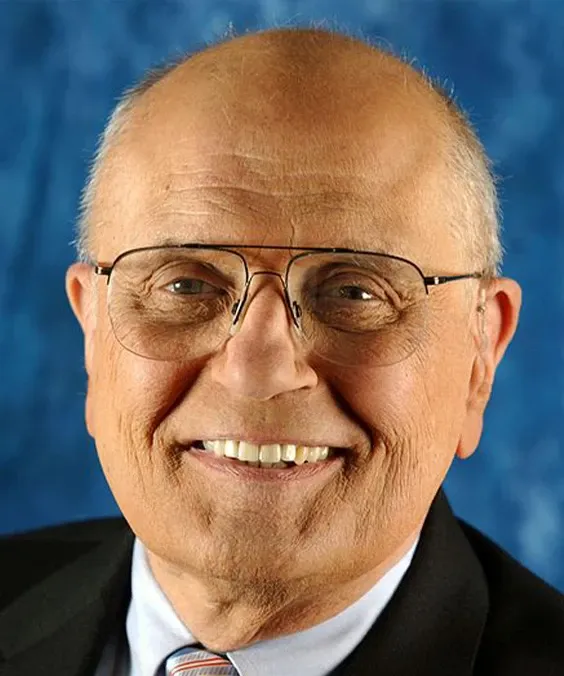
I look at statistics such as the one that I believe you cited, Senator, that two-thirds of Americans had equities in their account not too long ago, maybe a decade ago, and now it is half; that participation in the equities markets is at a…
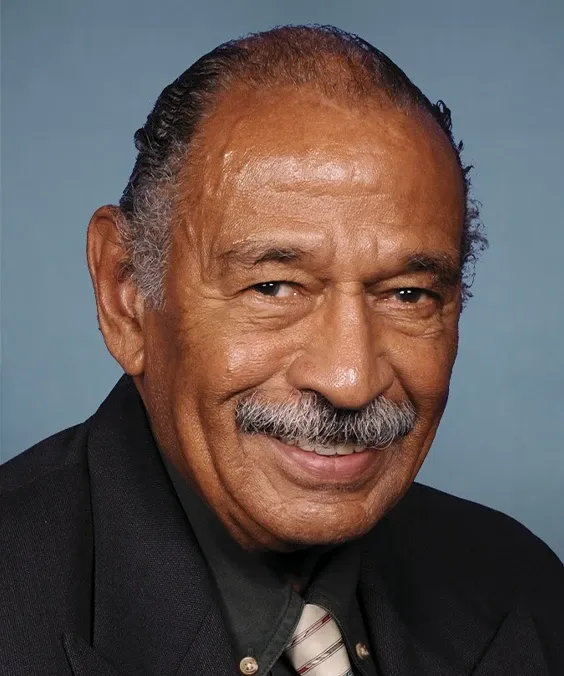
Carl Levin
The Public Record
Carl Levin was a prominent American politician who served as a United States Senator from Michigan from 1979 until 2015. A member of the Democratic Party, Levin was known for his leadership on the Senate Armed Services Committee, where he played a key role in shaping U.S. military policy and defense spending. Throughout his tenure, he was an advocate for various issues, including environmental protection and consumer rights.
Trust is really about saying: 'Without me paying attention, I believe that the right things are happening in my best interests.'
And, therefore, I think the government would be very helpful in helping to get the industry to coordinate to a level to make these issues easier to identify.
Some argue that 30 cents on an order is a tiny, minuscule amount, you have given a very strong answer or response to that.
Has the proliferation of trading venues and order types created opportunities for predatory high-frequency traders to take advantage of investors?
A lot of other people are insisting on it, and I happen to agree with that, but it is not----
I believe, Mr. Katsuyama, that you indicated that the maker-taker system creates a conflict of interest.
New technologies should not erase enduring values. Financial markets cannot survive on technology alone.
The secondary markets exist for investors and public companies, and their interests must be paramount.
I hope this hearing will educate the public about high-frequency trading and broker conflicts of interest.
Conflicts of interest damage investors and markets--first, by depriving investors of the certainty that brokers are placing the interests of their clients first and foremost.
But the answer to the question is different brokers, even with the same clients, can reach different conclusions about the best venue.
Who decides whether an exchange or a wholesaler has provided best execution?
I think we have all heard about a recent survey of equity market participants that suggested that the majority of those surveyed thought that the equity markets were not fair for all participants.
But do you think the average investor can make a decision on where a broker is going to get best execution?