Jul 20, 2020
Part of the reason this program is there is because of the huge challenges with the supply chain.
The Public Record
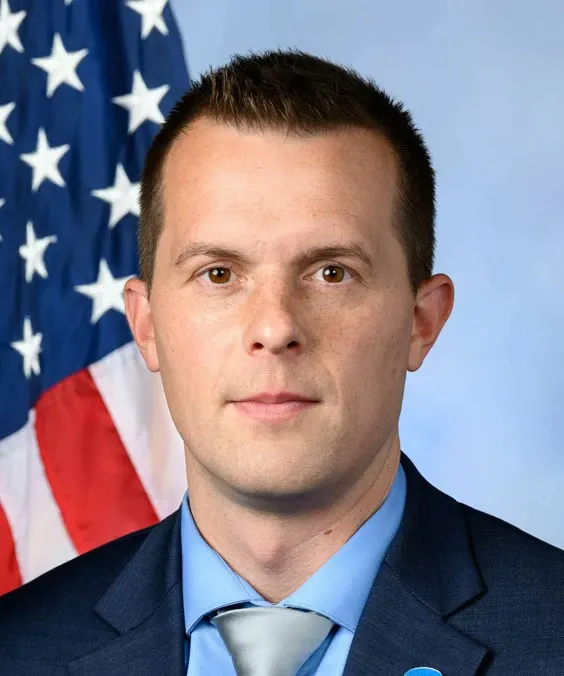
Chellie Marie Pingree is an American politician serving as the U.S. Representative for Maine's 1st congressional district since 2009. A member of the Democratic Party, she has focused on issues such as healthcare, education, and environmental protection during her tenure in Congress. Pingree has been an advocate for sustainable agriculture and has worked to support Maine's fishing and farming communities.
Part of the reason this program is there is because of the huge challenges with the supply chain.
I, like Mr. Peterson, think we should have just done a SNAP increase all along.
In Maine, we have something called the Maine Mass Timber Commercialization Center, and it is an effort to bring some of the stakeholders together to talk about the economic potential of the forest economy.
Thank you so much for holding this hearing, particularly coming from the State of Maine, the most forested state in the nation.
Thank you very much. Thank you all for your testimony. You are all talking about resources that I think we feel committed to support.
I have learned a lot from you today, and I concur with everything my colleague said.
I know I have talked to several of the basket makers in Maine about the decline of the ash.
So, yeah, I think you would be hard pressed to find an indigenous person that wasn't completely consumed with worrying about Mother Earth and climate change, so thank you for that question.
Thank you, Ms. Pingree for being a tireless advocate for the tribal nations in Maine.
That is very discouraging, and, again, we have lots of concerns about this, and hopefully, in my opinion, the committee can exercise more oversight on this process.
We have been very discouraged to watch the relocation of ERS and NIFA, and can see that that has just had disastrous consequences.
I, too, am very concerned about this relocation and the reorganization of the Bureau of Labor Management.
Thank you for the data and the support around limiting seismic drilling exploration.
I hope we can fund at $170 million, and based on all your testimony, we should be doing this at $170 billion.
The Farm Production and Conservation Business Center was meant to streamline the agencies and increase efficiency, but I have heard it has actually slowed down the hiring process.
Consumers have the right to know what harmful chemicals are in their homes, and they should have the ability to choose products that keep their families and their environment safe. Madam Chair, I urge my colleagues to vote ``yes'' on my…
I have an amendment at the desk. The Acting CHAIR. The Clerk will designate the amendment. The text of the amendment is as follows: Page 46, line 12, strike ``or cooking utensil'' and insert ``cooking utensil, carpet, or rug, clothing, or…
I urge this committee to act with the urgency that this crisis demands before it is too late.
But it is time for the federal government to step up and take bold action to address it as well.
Farmers are already being impacted by changing growing seasons and extreme weather events.
For Maine and so many other communities across the Nation, as I have heard listening to my colleagues speak, it is just not an abstraction; it is a tangible threat to our communities, to the people who live there.
For Maine and so many communities across our nation, climate change is not an abstraction, but rather a tangible threat to local economies and the people who live in them.
Politicians like Chellie Pingree