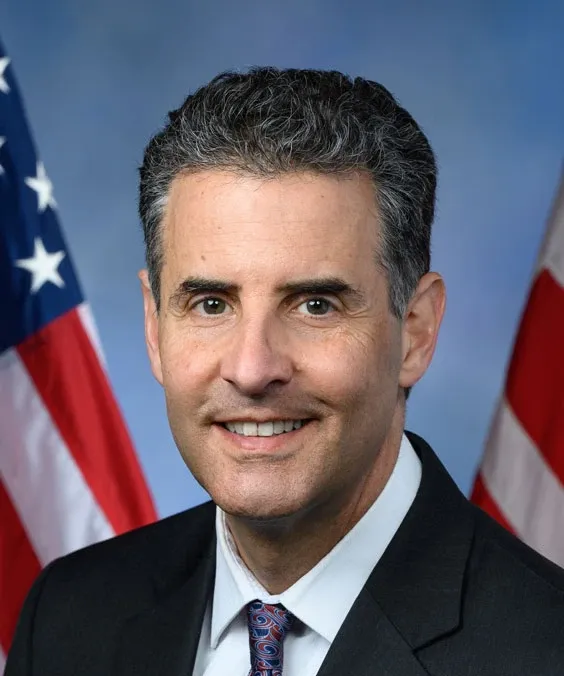
Elijah Cummings
The Public Record
Elijah E. Cummings was a prominent American politician and civil rights advocate who served as a member of the United States House of Representatives from Maryland's 7th congressional district from 1996 until his death in 2019. A member of the Democratic Party, Cummings was known for his commitment to social justice and his efforts to address issues such as healthcare, education, and civil rights. Throughout his tenure, he was a vocal advocate for the rights of marginalized communities and worked to ensure equitable access to resources and opportunities.
Jun 18, 2019
What would happen in West Virginia if the Medicaid expansion were rolled back?
Jun 18, 2019
I think this committee has to come to grips with what the strategy should be, and enact one.
Jun 18, 2019
I am concerned, very concerned that we are experiencing the single highest rates of overdose deaths in the history of our country.
Jun 18, 2019
We need the funding to actually then be able to expand the graduate medical education fellowships.
Jun 18, 2019
I mean, and I guess that's one of the good things about the flexibility of the CARE Act.
Jun 18, 2019
Do you agree that the Federal Government, including both the Congress and the executive branch, could be doing more to address this generational public health crisis?
Jun 18, 2019
Do all of you agree that the majority of Americans who have a disorder are not getting the treatment that they need?
Jun 18, 2019
I've often said that, at 68, I've been seeing this drug problem a long time.
Jun 18, 2019
The response of the Administration and Congress has been woefully inadequate.
Jun 3, 2019
Well, going back to Ms. Pressley's questions about the whole idea of language, do you all feel comfortable?
Jun 3, 2019
Look, we are not Luddites here. We recognize, I think, advancements that science is making.
Jun 3, 2019
We are talking about people who have been arrested, right? Not necessarily convicted.
Jun 3, 2019
We have seen significant concern among states about providing this level of access to the FBI.
Jun 3, 2019
So when you say 'leverage,' I guess you are saying that there were laws that were out there. These laws did not anticipate something like facial recognition, and now the FBI has decided that it would basically take advantage of those laws…
Jun 3, 2019
Well, if it was prior to facial recognition coming into existence, I am just wondering, do you think that whatever laws you are referring to anticipated something like facial recognition?
Jun 3, 2019
Thank you for the opportunity to address this important issue before the committee, and I look forward to answering your questions.
Politicians like Elijah Cummings