Apr 22, 2009
I'm very proud of the fact that the Congress took this action. It was the right thing to do from a moral perspective, and it's the right thing to do from an economic perspective, and now we've just got to make sure it works.
The Public Record
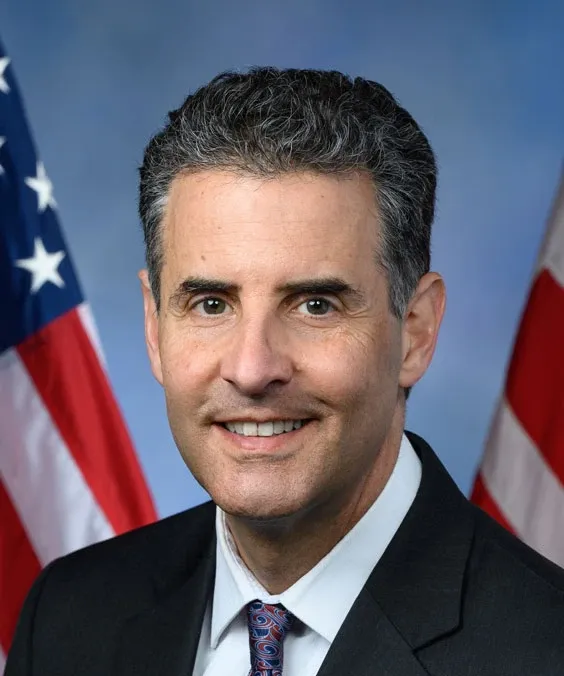
Chris Van Hollen is an American politician serving as the junior United States senator from Maryland since January 3, 2017. A member of the Democratic Party, he previously represented Maryland's 8th congressional district in the U.S. House of Representatives from January 3, 2003, to January 3, 2017. Throughout his career, Van Hollen has focused on issues such as economic policy, healthcare, and education reform.
I'm very proud of the fact that the Congress took this action. It was the right thing to do from a moral perspective, and it's the right thing to do from an economic perspective, and now we've just got to make sure it works.
It's also economically the right thing to do, because if you're not paying your mortgage and your house goes into foreclosure, that means one more house in the neighborhood that's under water, and it has an impact on everybody else, all…
I think this country has made the right decision in ensuring that hard-working people, who lose their jobs through no fault of their own in an economic downturn, have some support until they can get themselves back on their feet and find…
The only economically viable approach to ensure that Congress is able to protect low-income and vulnerable communities from potentially higher energy costs associated with a cap-and-trade program.
Yes, we obviously can't get to where we want if we believe there is a serious problem just by doing what we are doing.
This is the problem. Your argument has two components. One is you don't think it's a problem, global climate change.
So, I would ask all our colleagues to take a look at that essentially universal rebate proposal.
It's fair and simple, and we can have a mechanism to get the funds back on a realtime basis to draw a real connection in the consumer's mind to the fact they are being compensated for whatever additional costs.
I do think it is important too as we debate to figure out, as that is a threshold question, if you don't believe that's a problem.
It is important as we talk about the potential job loss, also to talk about the potential job creation.
I think we are all still working on this third piece, on getting the credit flowing again.
As we move as a nation to reduce our reliance on foreign oil and our reliance on fossil fuels, we clearly need to make sure that the clean energy companies get the credit and the financing they need to move forward.
We would like to look at expanding that to some debt financing as we go forward.
These are policies and financial funding and incentives have to come at the national level, and that's why we also have to deal with issues around federal preemption.
We've also had many cases where we have not been able to make progress, which is why it's essential that we move forward more aggressively on that front.
Prince George's County is a vivid example that, right in the backyard of our nation's capital, the foreclosure crisis is here, and growing.
I think we all know that people with second homes, people with yachts, real estate speculators and others can currently go into bankruptcy court.
It's essential that we take very firm and strong action at the Federal level.
The voices of consumers and the voices of civil rights protection need to move away from the kid table to the front table.
We need those benchmarks and we really need to tie the productivity in meaningful modifications and by that, I mean principal reductions.
What is important is you really need to provide more choices for the American consumer.
Politicians like Chris Van Hollen