May 18, 2021
We do want to see enforcement dollars spent on enforcement. That's the only way we're going to address this huge tax gap.
The Public Record
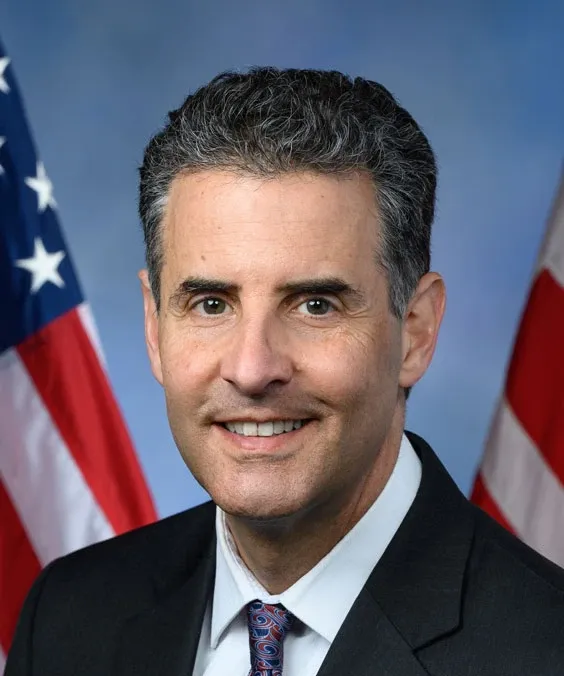
Chris Van Hollen is an American politician serving as the junior United States senator from Maryland since January 3, 2017. A member of the Democratic Party, he previously represented Maryland's 8th congressional district in the U.S. House of Representatives from January 3, 2003, to January 3, 2017. Throughout his career, Van Hollen has focused on issues such as economic policy, healthcare, and education reform.
We do want to see enforcement dollars spent on enforcement. That's the only way we're going to address this huge tax gap.
I think you said it would yield a return of 19 times that investment over a 10-year period.
Got it. Thank you. Ms. Collins, listening to your testimony and Mr. Rossotti's testimony, it does seem like this investment in technology can make a substantial improvement, potentially, in responsiveness to taxpayers' concerns.
Taxpayer service must improve, and our citizens deserve a responsive and respectful tax administration that serves all taxpayers fairly.
I do think we have bipartisan agreement on the need to provide the resources necessary to provide the service.
I would like to see that as part of the online account, that they could contact an IRS agent and get that information.
I believe that fundamental fairness alone is a compelling reason to address this problem, particularly when Congress is contemplating raising taxes on people who already pay what they owe.
I want to give a special shoutout to Commissioner Rettig for your recent efforts at the helm of IRS to ensure a quick and efficient roll-out of the expanded child tax credit benefits so that we're secured in the American Rescue Plan.
Thank you for being a terrific advocate on behalf of the taxpayers in the country.
There's clearly a direct link between service and being able to get someone on the phone or online and compliance.
Got it. And as I understand your proposal--and think you said you would have the IRS, again, focus where most of the money in this tax gap is, in terms of people who owe but don't pay, and that's at the higher income levels.
Do you need additional authorities to hire people who are particularly expert in some of the--in tax laws and some of the shenanigans people use?
So, let me ask you this. Because Mr. Rossotti has estimated that if we gave the IRS the tools they needed, including that third-party verification of income and additional resources, that you could potentially get as high as $1.4 trillion…
The President and others have suggested that the IRS be given authority to collect additional information from banks about this other kind of income.
I thank you Mr. Commissioner. And I want to you and the extraordinary work you and the entire team, all the employees at the IRS, have done during these very difficult times.
There is anywhere from $500 billion to $100 trillion in taxes each year that are owed and not paid. That is a staggering figure.
Smaller communities do not have any lesser risks, but they often have a lot less resources.
We want to work with the Committee on what we can do to better depict flood risk and communicate flood risk in the future through our Flood Risk Initiative.
[D]isasters disproportionately affect those who are already socio-economically marginalized in a community, subjecting them to even greater depths of poverty.
I realize the previous Administration was essentially climate change deniers, including the President of the United States.
Politicians like Chris Van Hollen