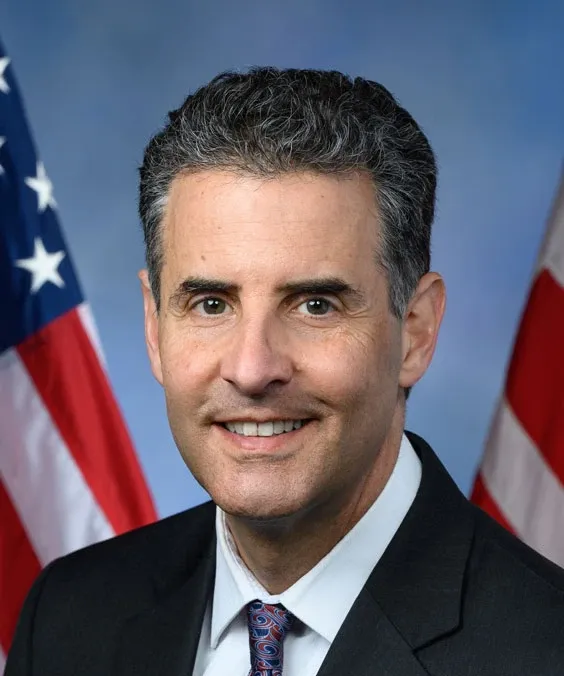
Ben Cardin
The Public Record
Ben Cardin is a United States Senator from Maryland, serving since January 4, 2007. A member of the Democratic Party, he has focused on issues such as healthcare, education, and civil rights throughout his political career. Prior to his tenure in the Senate, Cardin served in the U.S. House of Representatives from January 3, 1987, to January 3, 2007, where he was known for his work on tax policy and social security reform.
Jul 16, 2017
These are not confirmed positions, and, therefore, they gain a lot of power at times, where a confirmed person should have personal responsibility.
Jul 16, 2017
I want to talk about an area that has gotten a lot of attention in this committee, and that is special envoys.
Jul 16, 2017
Again, Secretary Sullivan, thank you so much for your willingness to take on these responsibilities.
Jul 16, 2017
This is an extremely important hearing, the review of the State Department reauthorization bill for fiscal year 2018, as well as the State Department's reorganization plans.
Jul 12, 2017
I understand you are saying they are making progress. My understanding of the Child Soldier Prevention Act is that, if they do recruit and use child soldiers, they are listed.
Jul 12, 2017
But is it correct? Was the TIP Report correct to say that Burma still recruits and uses child soldiers?
Jul 12, 2017
I do not think there was a member of this committee after the hearings that was convinced that was made on the merits.
Jul 12, 2017
I think would very much damage the Department of State's core function missions, as well as compromise our ability to get the information we need to deal with the Trafficking in Persons Report.
Jul 12, 2017
We do not think that is a problem. And we want to make sure that this bill is passed as quickly as possible in the House, and in the form that it passed the United States Senate.
Jul 12, 2017
I think one of the things that absolutely everyone feels is there was no politicization.
Jul 11, 2017
Without that, it would be difficult to see the project move in the manner that we hope that it will.
Jul 11, 2017
I want to get your thoughts. Senator Cochran and I have worked long and hard to preserve transportation alternative programs.
Jul 11, 2017
The TIFIA program is very important in all States, and Maryland has utilized it for some very important programs.
Jul 11, 2017
I think this is extremely dangerous to our national security, and I think it is going to be extremely costly to the taxpayers of this country.
Jul 11, 2017
I think us taking action here could have a broader impact than just this one particular circumstance of payments to prisoners and terrorists.
Politicians like Ben Cardin