Nov 13, 2017
So there is discussion taking place at the National Security Council level with legal advisers, with military advisers.
The Public Record
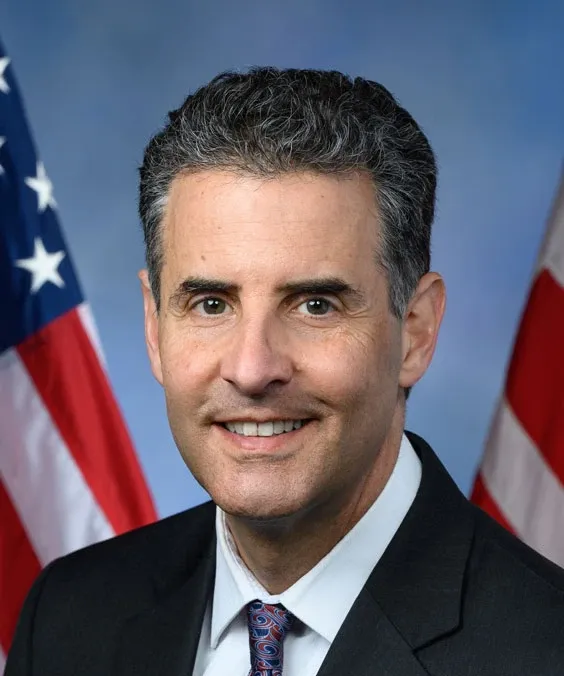
Ben Cardin is a United States Senator from Maryland, serving since January 4, 2007. A member of the Democratic Party, he has focused on issues such as healthcare, education, and civil rights throughout his political career. Prior to his tenure in the Senate, Cardin served in the U.S. House of Representatives from January 3, 1987, to January 3, 2007, where he was known for his work on tax policy and social security reform.
So there is discussion taking place at the National Security Council level with legal advisers, with military advisers.
There is not a military solution to the crisis in North Korea, that any military option carries unbelievable risk factors
You may very well be getting opinions from the White House that this is legal, but you would have to make your own independent judgment.
If there is an illegal order presented to the military, the military is obligated to refuse to follow it.
I would ask unanimous consent that a letter signed by 47 conservation, environmental, and public health organizations to members of this Committee in opposition to Ms. White's confirmation be made part of the record.
I very much appreciate that statement. And I was impressed by your highlight of maintaining your integrity, which, to me, is not always easy.
The United States should be sitting at the table during climate discussions with the international community, and yes, climate change is real.
I want to thank both of our nominees for their willingness to serve in a very important public position.
There may be some disagreements about what the AUMF covers currently and what Congress should include in a more up-to-date AUMF.
The United States continues to rely on the 2002 Authorization for Use of Military Force (AUMF) Against Iraq Resolution.
Does the administration now consider that the 60-day clock has begun, and if not, what is the legal reasoning behind this conclusion?
There is no debate, as the chairman has pointed out, about our resolve to go after terrorists who are attacking our interests and our allies.
The October 4th ambush of U.S. and Nigerien forces was a tragic but isolated incident.
I will point out that there are significant differences here about whether the 2001 authorization covers the military operation--counterterrorism operations against ISIS.
I am not sure that Congress envisioned that we would have the potential of ground troops in Northern Africa in combat missions.
So, without any further authorization from Congress, you believe you have authorization if the determination is made to deploy whatever force is necessary to go after Boko Haram, including ground troops?
This is one of the most important topics the United States Senate and this committee could ever consider: under what circumstances and legal authority should the United States send men and women into war.
I am deeply concerned about President Trump's inclination to go to war rather than find diplomatic solutions to these crises.
I hope that soon we will also be considering the repeal of the existing overextended Authorizations for the Use of Military Force from 9/11 and the Iraq War, and a new AUMF tailored to the current terrorist threats.
But the specific mission that they were participating in, as I understand it, went beyond that. Am I wrong on that?
Would you agree that there is no congressional authorization for the use of military force against North Korea?
Politicians like Ben Cardin