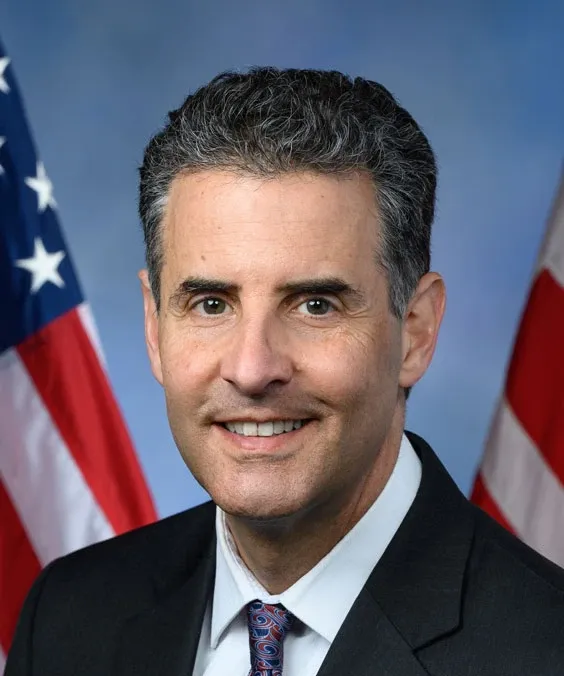
Ben Cardin
The Public Record
Ben Cardin is a United States Senator from Maryland, serving since January 4, 2007. A member of the Democratic Party, he has focused on issues such as healthcare, education, and civil rights throughout his political career. Prior to his tenure in the Senate, Cardin served in the U.S. House of Representatives from January 3, 1987, to January 3, 2007, where he was known for his work on tax policy and social security reform.
Apr 10, 2018
So what concerns me is, we talk about these policies concerning China and how companies have to adjust. If you are a small-business owner, it is almost impossible to adjust.
Apr 9, 2018
We need to counter what is happening by Russia and other countries that are against our way of governance.
Apr 9, 2018
I really do think you have brought up a subject in our own hemisphere which is global.
Apr 9, 2018
We can support those kinds of efforts not only in Guatemala but in Honduras and other places.
Apr 9, 2018
That relies on international standards, on judgment as to corruption, rather than a self-determination or a consensus determination among other countries.
Apr 9, 2018
I would suggest that the model that has been the most successful to date has been the trafficking model that we have used.
Apr 9, 2018
The State Department should take the lead on this. Those are the values of our country.
Apr 9, 2018
America, the U.S., has always been a dominant player in every regional organization that we have belonged to.
Apr 9, 2018
Without a lot of prep work before the meetings take place, you are not going to achieve the type of consensus.
Apr 9, 2018
It is certainly disappointing. Clearly, and you and I talked about this, that the circumstances in Syria require U.S. leadership and response.
Apr 9, 2018
Our subject is a regional strategy for democratic governance over corruption in the hemisphere from the Summit of the Americas.
Mar 21, 2018
I represent a lot of small companies that do not have that type of resource on their own.
Mar 21, 2018
But how are you going to protect smaller companies? They are not going to have the same voice that large companies will have in regards to industry-specific issues.
Mar 21, 2018
I want to follow up on what your response is going to be, with Commerce and other agencies, on retaliatory actions that are likely to be taken by other countries in regards to the steel and aluminum tariff.
Mar 20, 2018
I do believe there is a role for the NRC to play in making sure we have the most efficient fleet possible.
Mar 20, 2018
How do we guarantee the people of this Nation that your work will be done putting safety first?
Mar 20, 2018
The economics of modernizing that fleet is not very bright at this particular moment.
Mar 20, 2018
I am concerned about their ability moving forward to regulate safe nuclear energy considering that you have an aging work force.
Mar 13, 2018
Always appreciate the opportunity of including the Chesapeake Bay in our record.
Mar 13, 2018
We know that farming activities is the largest single source of pollutants entering the Bay.
Mar 13, 2018
The FIFRA statute deals with labeling, deals with other issues and the Clean Water Act deals with the quality of water in our Nation, so they have different standards to judge the regulatory activities.
Politicians like Ben Cardin