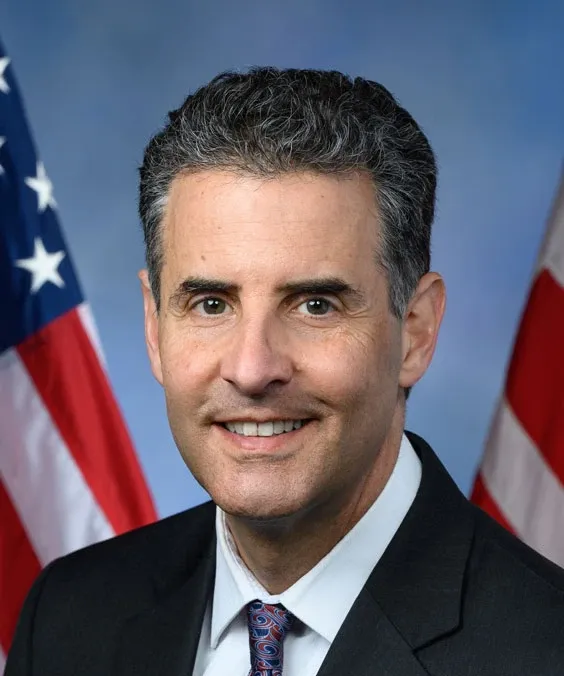
Ben Cardin
The Public Record
Ben Cardin is a United States Senator from Maryland, serving since January 4, 2007. A member of the Democratic Party, he has focused on issues such as healthcare, education, and civil rights throughout his political career. Prior to his tenure in the Senate, Cardin served in the U.S. House of Representatives from January 3, 1987, to January 3, 2007, where he was known for his work on tax policy and social security reform.
Jul 16, 2018
Judicial review is an extremely important part and can be done in a timely way, but allows for a more open, transparent process.
Jul 16, 2018
Judicial review is checks and balances in our system, and because we have strong checks and balances, it makes for a much more open process.
Jul 16, 2018
Let's make sure that we have adequate funding so that the Endangered Species Act can in fact work.
Jul 16, 2018
The Endangered Species Act has been an extremely important policy of this country and has achieved a great deal in restoring species in delisting.
Jul 11, 2018
We are not helping ourselves as we try to engage in diplomacy to get North Korea to change its behavior, for which we need China's help.
Jul 11, 2018
We do not understand what it is in regards to the trade actions taken by this administration.
Jul 11, 2018
Maryland's Independent Can Company is facing two bad choices, according to its CEO. They can move production to China or raise prices and risk losing consumers. Either way, it will cost jobs.
Jul 11, 2018
In Maryland, I have heard from farmers that have already been impacted--soy crop, et cetera.
Jul 11, 2018
The way that the President has pursued this, he has been able to give China a free pass
Jul 10, 2018
I thank all of our witnesses. Let me start by just underscoring the point of the Chairman and the Ranking Member as to the need for greater infrastructure investment here in America.
Jul 10, 2018
Our infrastructure, whether it is water infrastructure or transportation infrastructure, is not where it needs to be; it is hurting our economic growth, and it is certainly affecting quality of life.
Jun 27, 2018
Will you work with us so that we can protect the resources that go into training to make sure your people are adequately trained?
Jun 27, 2018
The only reason there was an increase in this year's budget was to implement a new tax law.
Politicians like Ben Cardin