Jul 26, 2021
Sustained investment in public health infrastructure the best way to ensure that we are receiving the best on the ground data
The Public Record
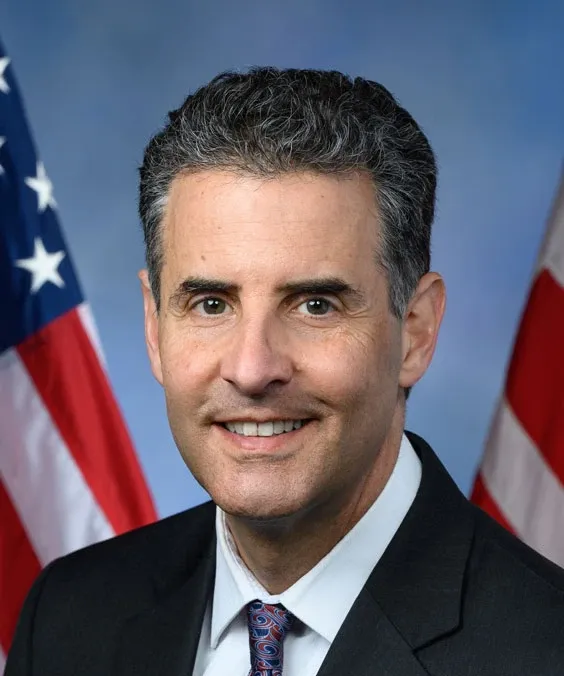
Ben Cardin is a United States Senator from Maryland, serving since January 4, 2007. A member of the Democratic Party, he has focused on issues such as healthcare, education, and civil rights throughout his political career. Prior to his tenure in the Senate, Cardin served in the U.S. House of Representatives from January 3, 1987, to January 3, 2007, where he was known for his work on tax policy and social security reform.
Sustained investment in public health infrastructure the best way to ensure that we are receiving the best on the ground data
The infrastructure package must have the goal of 100 percent connectivity across the country
As a NATO ally, we expect Turkey to advance democracy and human rights and yet it is moving in the opposite direction.
Turkey's abrupt withdrawal from the Istanbul Convention, enshrining commitments to improve the status of women, is deeply concerning.
Having said that, President Biden rightly said that our foreign policy is going to be embedded in our values.
It is paramount that the administration provide the committee with greater clarity concerning how it is addressing Turkey's role in the numerous human rights violations committed in northern Syria.
I appreciate the excellent work done by the Biden administration in reestablishing our rock-solid bond with NATO.
Under no circumstances will I support the lifting of CAATSA sanctions if the S-400 remains in Turkey.
The message should be clear. Any effort to weaken NATO from within or outside will be met by a robust response by the United States.
As I look at current challenges, climate change has really presented a challenge for our water infrastructure.
We work together in a very strong bipartisan way, and we are going to continue to do that.
We have a responsibility in Congress to figure out a way forward to deal with how we can get our input into having the most efficient effective diplomatic agency as we possibly can.
We need... a broader pool that we could utilize to meet our diplomatic missions when we have vacancies for whatever reason.
I think it really is time for us to take a look at the Foreign Service Act working with the stakeholders to see whether we cannot update those laws.
I think we should be very, very judicious. I do not want to take a blanket rule to it, but I think the special representatives should be the exception.
I want to add one additional point to this diversity of assignments that we have in the State Department.
It is very interesting that the diplomacy is there to try to prevent conflict as one of its major responsibilities.
I agree that when the National Security Council is too big, then they think they have the capacity to actually drive things rather than to coordinate, and that is a problem.
We should be bold in re-imagining the State Department, and this should be guided by some very basic foundational questions.
I think that a system that puts a priority on personnel category, on tenure rather than merit, is something that seriously needs to be reexamined.
I think we have missed opportunities where there were opportunities for us to make major advancements in building democratic states to prevent conflict.
Politicians like Ben Cardin